-
Search -
Accessibility -
Members Login
Responses to ICVA member questions
Building on three previous rounds over the past 25 years, ICVA once again invited self-identified applicants for the position of UN High Commissioner for Refugees to share their views on five key questions developed in consultation with our NGO members. Our aim is to bring greater transparency and understanding of the profile of the next leader of one of the UN’s most critical humanitarian agencies.
ICVA is a global network of 185 NGOs dedicated to principled and effective humanitarian action. It has a long history of engagement on forced displacement issues and received the Nansen Refugee Award in 1963. ICVA coordinates the collective NGO statements delivered at the governing body meetings of the UN Office of the High Commissioner for Refugees (UNHCR) and co-organises UNHCR’s annual consultations with NGOs.
This year, an unprecedented 13 applicants self-identified to ICVA for participation in responding to member questions. While the recruitment advert identified 06 October as the closing date, many applicants came forward to ICVA after this date. In the interests of fairness, individuals who self-declared as applicants at any point in the process were invited to participate, resulting in the need to publish the responses at two separate times. The first group of responses were released on Friday, 24 October and the second group on 31 October 2025. Any further applicants will be published on a rolling basis.
It is important to note that ICVA does not endorse any applicants or candidates, nor do we have any formal role in the recruitment process. Future candidates who responded to these questions did so upon publicly declaring their application; it is possible that others have also applied for the role of UNHCR High Commissioner and chose to remain anonymous.
The High Commissioner plays a crucial role in advancing protection, assistance, and durable solutions for displaced persons worldwide. With the immense and intractable challenges of 2025 – record levels of displacement – 122.1 million forcibly displaced people by the end of April 2025 – devastating consequences of funding cuts, growing restrictions on asylum, rising popularism, and threats to multilateralism – we believe that this upcoming appointment will be one of the most consequential in UNHCR’s history.
Listed below are the individuals who identified themselves as applicants for the High Commissioner position and submitted answers to ICVA’s five questions.
Please note the following:
We are grateful to these individuals for taking the time to answer these challenging questions and appreciate their thoughtfulness and willingness to participate in this process.


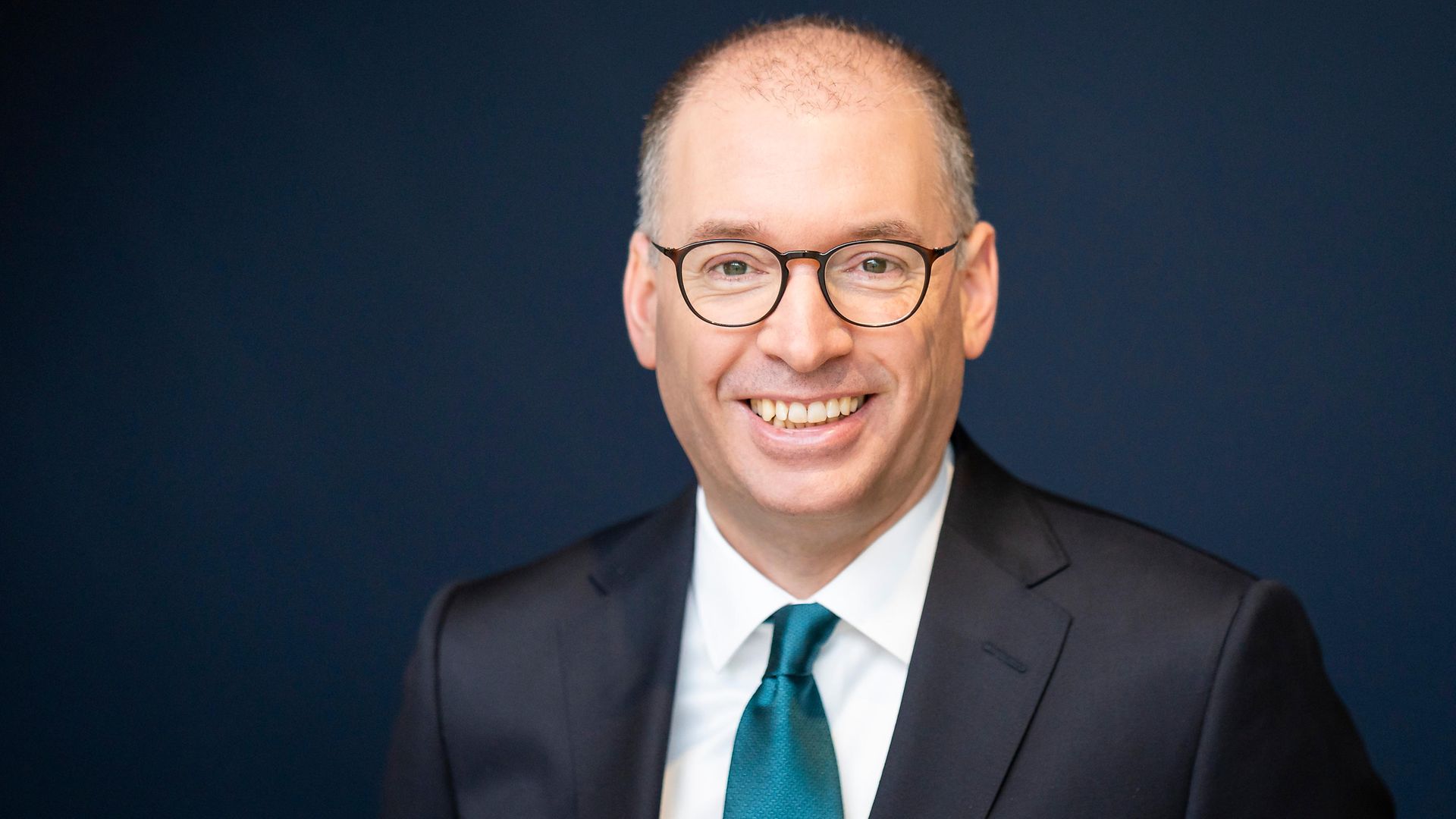
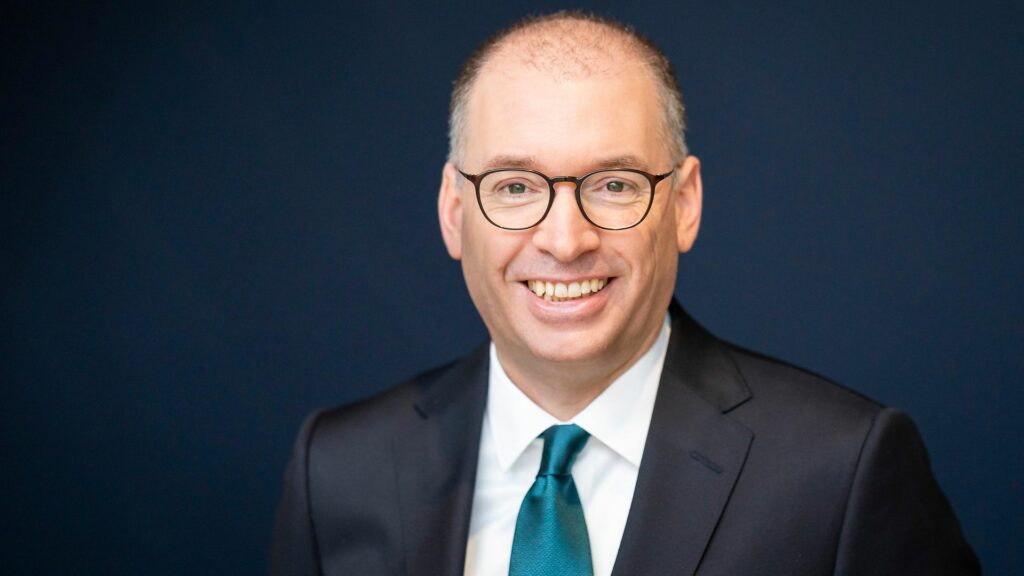
Niels Annen is a German political leader and diplomat with extensive experience in international affairs, development cooperation, and multilateral engagement. Since 2025, he has served as State Secretary at Germany’s Federal Ministry for Economic Cooperation and Development (BMZ), following earlier roles as Parliamentary State Secretary in the same ministry (2021–2025) and as Minister of State at the Federal Foreign Office (2018–2021). A long-standing member of the Bundestag for the Social Democratic Party (SPD), Annen has played a central role in shaping Germany’s foreign and development policy, including on humanitarian response, peacebuilding, and global governance. He holds a Master’s degree in International Public Policy from the Johns Hopkins University School of Advanced International Studies in Washington, D.C., and brings a proven record of political leadership, diplomatic engagement, and commitment to collective international action.
Let me first thank you for the opportunity to answer these questions. More than 110 million people fall under UNHCR’s mandate, and this is one of the few opportunities for them, and for UNHCR’s partners, to form an impression of the candidates for the next High Commissioner.
The number of forcibly displaced persons is at an all-time high, while funding is dwindling. This has also been the case in the past, and many candidates have mentioned this when answering your previous questionnaires.
What has changed is that we are experiencing an existential threat to the multilateral system that is not only financial but also political in nature. Fundamental values, principles that until recently we thought were sacrosanct to the vast majority of Member States, are continuously under pressure – core principles of International Humanitarian Law, the SDGs and any regulatory framework that aims at strengthening human rights such as CEDAW.
Unlike a state, the United Nations can go bankrupt. They cannot borrow, they cannot levy taxes. My top priority for UNHCR therefore is to ensure that the organization can continue delivering, as best as possible, on its core mandate: protecting and assisting refugees, forcibly displaced and stateless persons, and advocating for durable solutions rooted in the principles of the 1951 Convention and the Global Compact on Refugees in a spirit of fair responsibility-sharing.
UNHCR has unique competencies and a comparative advantage when it comes to quick responses on a large scale. In June of this year, UNHCR was present on the Turkish-Iranian border when contingency planning was required in the event that a nuclear catastrophe occurred and led to an ensuing flow of refugees. It is my firm belief that UNHCR, with its response capacity and its mandate, is in a better position than any other organization to react to such scenarios. These core functions must remain non-negotiable.
My vision for UNHCR centres on reinforcing its global role as an advocate, negotiator and convener while enhancing the efficiency of its delivery to the refugees and its support of the hosting countries. UNHCR and its High Commissioner should serve as the central interlocutor on refugee and displacement issues, acting as a bridge between refugees, hosting and transit countries, donors, and civil society. Across these stakeholders lies a wealth of expertise, resources, and commitment to finding pragmatic and viable solutions to displacement crises—assets that must be harnessed to their full potential, including the potential of refugees to reach self-sufficiency. As a leading UN humanitarian actor, UNHCR must play a central role in shaping how the United Nations system as a whole rise to these challenges.
As a politician, I come from a tradition that focuses on advocating for social justice, reducing inequality and protecting underprivileged groups. All the political posts that I have held in my career, in particular my many years in parliament, have required me to win majorities, to organize coalitions and to find compromises. I have learned that true progress comes from listening to diverse stakeholders and from considering their unique circumstances, while staying guided by one’s own moral compass.
Over the last seven years, I have been in senior leadership positions, overseeing my country’s contributions to humanitarian aid and development, shaping policy, managing resources and building partnerships. As Deputy Minister, first in the German Foreign Office and then in the Ministry for Development Cooperation, I have forged long standing personal contacts with decision makers in all parts of the world, in governments and non-governmental humanitarian institutions. Currently, as the State Secretary in the Ministry for Cooperation, I am leading a reform process that seeks to re-establish the relevance of development cooperation and requires substantial leadership and managerial skills.
Leading UNHCR in times of crisis will be an enormous challenge. The next High Commissioner will need strong allies among both host countries and donors and multilateral institutions. Having served in the government of a country that is both an important host country and an important donor, I bring experience, credibility and commitment. I am ready to provide the strong leadership that UNHCR, the people under its mandate, host countries, donors and NGO partners deserve.
The restructuring process is still underway, with the current High Commissioner having to take difficult decisions that have significant consequences for those affected. Let me first state that it is always easy to speak from the sidelines and that I am mindful of the importance of first consulting with key stakeholders before introducing far-reaching proposals.
Let us also not forget that over the past few years, UNHCR has been constantly undergoing internal reforms, with very high engagement from inside the organization. There is a lot to build on, for example when it comes to data-driven, digital systems, that I intend to take into careful consideration, also in light of the proposals announced in the SG’s recent report on the UN80 Workstream 3 on structures and programmes.
When it comes to restructuring the organization, a lot has been said about streamlining, creating synergies etc. I take a careful look whenever these terms are used, as they often signal making posts redundant. Behind every number, there are real people, families and the salary of a local staff member often provides for much more than one household. UNHCR has already experienced significant lay-offs. If laying off further staff is unavoidable, however, it must be in a fair and transparent manner, based on performance and suitability, and – where possible – taking the social impact of the decisions into consideration.
The Secretary General’s recent report on the UN80 Workstream 3 on structures and programmes makes some bold proposals. I am now serving a ministry where the staff is almost equally split between the two headquarters in Berlin and in Bonn. I know that outposting can work very well in practice. Still, such decisions must be carefully researched before they are taken as they are difficult to rescind.
That said, my near-term focus would be on ensuring stability and maintaining confidence, both within the organization and among partners, through transparency, active listening, and candid communication. This includes engaging closely with staff, field offices, and key stakeholders, including displaced persons themselves, considering their perspectives on the reform’s early impacts, and ensuring that decisions remain guided by UNHCR’s mandate and core principles.
The reform debate has so far focused predominantly on restructuring. While structural changes are essential, equal attention should be given to strengthening delivery – ensuring that protection, assistance, and solutions are implemented effectively and efficiently in the field. In the medium term, my focus would be on aligning any new structures with improved operational impact, maintaining principled action, and building trust with those we serve, Member States, and civil society partners.
We can all agree that nobody knows better what forcibly displaced and stateless persons need than these groups themselves. Meaningful participation of those directly affected by displacement is critical and has also been mandated by the Global Compact on Refugees. My focus would be on finding ways to expand and institutionalize exchange spaces and – where possible – enable participation in decision-making. We have seen the positive impact of this in Germany, where last year we established a Refugee Advisory Board as we had pledged at the last Global Refugee Forum. This is only a first step, we will evaluate our experiences, together with the board, and see how we can take it further.
Moreover, we should not overlook the potential that lies in involving diaspora communities. Germany is not only host to more than three million refugees but also home to numerous migrant and exile networks. In both ministries that I have served, there is a long-standing tradition of partnership with both refugees and diaspora groups extending well beyond the humanitarian sphere and also encompassing human rights and economic relations.
Partnerships with all kinds of governmental, non-governmental and private actors are critical for delivering on UNHCR’s mandate – particularly in today’s world of multi-layered, interconnected crises that cannot be solved in isolation. Local partners, including refugee-led and women-led organizations, are the backbone of any humanitarian and refugee response and an authentic voice of the people they serve. Many partner organizations are also more flexible than the UN when it comes to staffing, and their overheads are considerably lower. Still, the involvement of local partners and refugee-led organisations must not be a simple cost cutting exercise, but lead to genuine and meaningful participation. This expertise and local ownership and acceptance are crucial in achieving the paradigm shift the international aid system needs, particularly in complex crises. In my current and prior government roles, I have advocated for close partnerships and direct funding for those on the front-lines of humanitarian and development responses, and UNHCR already has a strong foundation of promoting localized and refugee-led responses that can be further expanded, with the buy-in of both donor and host governments.
Also, as part of the UN system, UNHCR is part of a larger UN family whose members must be coordinated to work in true partnership with each other, each leveraging their own comparative advantages while ensuring complementarity with others. To that end, I have been following the Humanitarian Reset efforts led by Emergency Relief Coordinator Tom Fletcher from day one. On the UN80 Initiative launched by the Secretary-General, I am in regular exchange with the Under-Secretary-General for Policy Guy Ryder. UNHCR as the key UN humanitarian actor with a coordinating function should have a central role to play.
An important component of working in partnership, especially in crisis situations, is trust. Whenever I travel, I meet international and national NGOs, not only government representatives. During bilateral visits, but also during conferences. Over the course of the years, many leaders of international NGOs have become personal friends. Heads of UN humanitarian agencies are by definition part of my professional network, regular exchange with them is part of my current job description. Partnership with operational actors is not only a natural part of the daily routine, but also a very enriching and enjoyable one.
The international refugee protection regime lies at the heart of our shared world order and multilateral system. The 1951 convention is extremely precious. The concept that persons who have crossed a border to find safety and security and who are not nationals do indeed have rights that they can claim vis-à-vis another state is anything but a given. It is a great achievement by the international community that needs to be protected from a roll-back.
Human mobility, whether it falls under the 1951 Convention or not, has too often been instrumentalised by political actors. Humanitarian principles in general are under strain, and so too are the principles underpinning refugee protection. A toxic discourse on asylum and migration can decide the result of elections and may even topple governments. This erosion is deeply concerning – not only for today’s forcibly displaced, but also for future generations.
We must, however, also recognize that much has changed since the international protection regime was first established. The nature of the challenges we face, and the dynamics of forced displacement and migration, have evolved dramatically. Conflict, climate change, economic crises, and widening inequalities are driving unprecedented levels of displacement and “mixed movements”. Not all of these dynamics are adequately covered by the existing protection framework.
The key question is how to expand our normative frameworks and our operational systems to ensure that all those forced to flee continue to find protection. Many initiatives have already laid the groundwork for this. Let me just mention two – UNHCR’s 10-point plan of action of 2007 and last August’s International Agreements for the Transfer of Refugees and Asylum-seekers. A lot of thought has been spent on these documents, let’s not constantly reinvent the wheel and rather direct our energies into implementing these concepts.
Moreover, regional approaches, tailored to specific regional dynamics and challenges, are one example offering promising avenues for strengthening protection systems. We must also look at expanding measures such as complementary pathways and subsidiary protection mechanisms. UNHCR needs to team up with Member States, regional bodies and partner organizations to build more bridges between refugee protection and migration policy. This must go hand in hand with continuing to hold Member States accountable to their international obligations under the existing refugee protection regime.
We also have to acknowledge that UNHCR is increasingly required to operate in conflict environments and to engage with non-state agents and non-conventional state parties. I am concerned that the principle that dialogue does not mean endorsement may have partially disappeared from the so-called Global North’s contemporary approach to foreign policy. As a deputy minister for foreign affairs, I successfully obtained special permission for meetings with representatives of groups in Latin America and the Middle East with whom the German government at that time did not have official contact. As a deputy minister for development, I was the first political representative of an EU country to travel to Port Sudan after the outbreak of the war, speaking to the authorities there and urging them to facilitate humanitarian access. I strongly believe that you have to enter into direct contact with those who you want to reach with your messages.
A High Commissioner does not have means of coercion at his or her disposal. Any leverage will have to come from dialogue, from hammering the same nail, again and again, on the basis of international law, under whatever circumstances and regardless of whether it will add to the commissioner’s personal popularity or not. Dialogue is a High Commissioner’s main tool to ensure refugees are protected.
Coordinating the efforts of the humanitarian, development, and peace sectors is essential to achieving lasting and sustainable impact. Particularly, when crises endure far beyond the timeframes for which the humanitarian system was originally designed.
I have already mentioned that the present discussion is focusing very much on reforming structures. If appointed as High Commissioner, I will emphasize the need to also focus on reforming delivery. Everybody is now speaking about focusing on the core mandate – does this mean the end of the nexus; will we work in silos again? This should not happen. Nexus should be a way of structuring the process that leads to delivery. In alignment with the humanitarian reset proposed by OCHA, each organization should focus on what it does uniquely well. But in a way that the first response can be expanded on by development actors supporting host governments. Development actors must be central partners, as protracted displacement contexts offer significant opportunities to integrate refugee protection and solutions into broader national development plans. Achieving this requires early engagement, bringing development partners to the table from the very start of a displacement crisis, not only when an emergency phase is over. Effective coordination with host countries, combined with the deployment of suitable financing instruments, constitutes another critical prerequisite for success.
I have seen many scenarios where this proves successful: In Uganda, I visited a water infrastructure project in the Kiryandongo district which the German Ministry for Cooperation has financed using KfW rapid assistance to improve water supply in refugee settlements through UNHCR, but also through non-governmental organizations such as Oxfam and Save the Children, all under the leadership of the local government. 16 host communities benefited from this improved infrastructure. In Kenya, I visited a project in the Kalobeyei settlement, Kakuma district where UNHCR set up a solar mini grid with the support of the UK’s FCDO and the German GIZ that provides electricity for refugees and the host community alike. Not only do these projects respond to a life-threatening situation, they are also lay the groundwork for sustainable improvements in the water and energy sectors.
Such projects require additional coordination. Actors need to communicate and know each other well. And this applies to the humanitarian and development organizations, but also very much to the host country administration. During my trips to the field, I have always been very impressed with the engagement of the local administration. The represent their governments often far away from the capital, sometimes in difficult circumstances. They want to achieve the best for their districts, regions. Not without the refugees, but with them.
The water, energy and health sectors are great opportunities to operationalize the nexus. Why set up a health centre in a temporary structure when you have the chance to set up a fixed structure in a way that the host community can also benefit from improved health service? I have seen this more than once, for example, when I visited the Order of Malta community health centres in Lebanon.
I am convinced – the extra effort for coordination does pay off, not only financially. What is more, I can also see an additional incentive for new actors to engage – ideally and financially – when they see an opportunity to make a “humanitarian investment” that can subsequently connect to further development and peace and security. In Syria, for example, GCC countries have expressed an interest in the energy and water sectors, a development that could carry significant implications for regional cooperation and reconstruction efforts.
If appointed as the next High Commissioner, I will further mainstream the nexus concept into the organization, the international debate and the exchange with host countries. It needs to be reflected in the internal set-up and it will also require more flexibility from the donor side. Because it is not only the work that needs to be done across silos; the funding also needs to be flexible enough to be used across sectors.

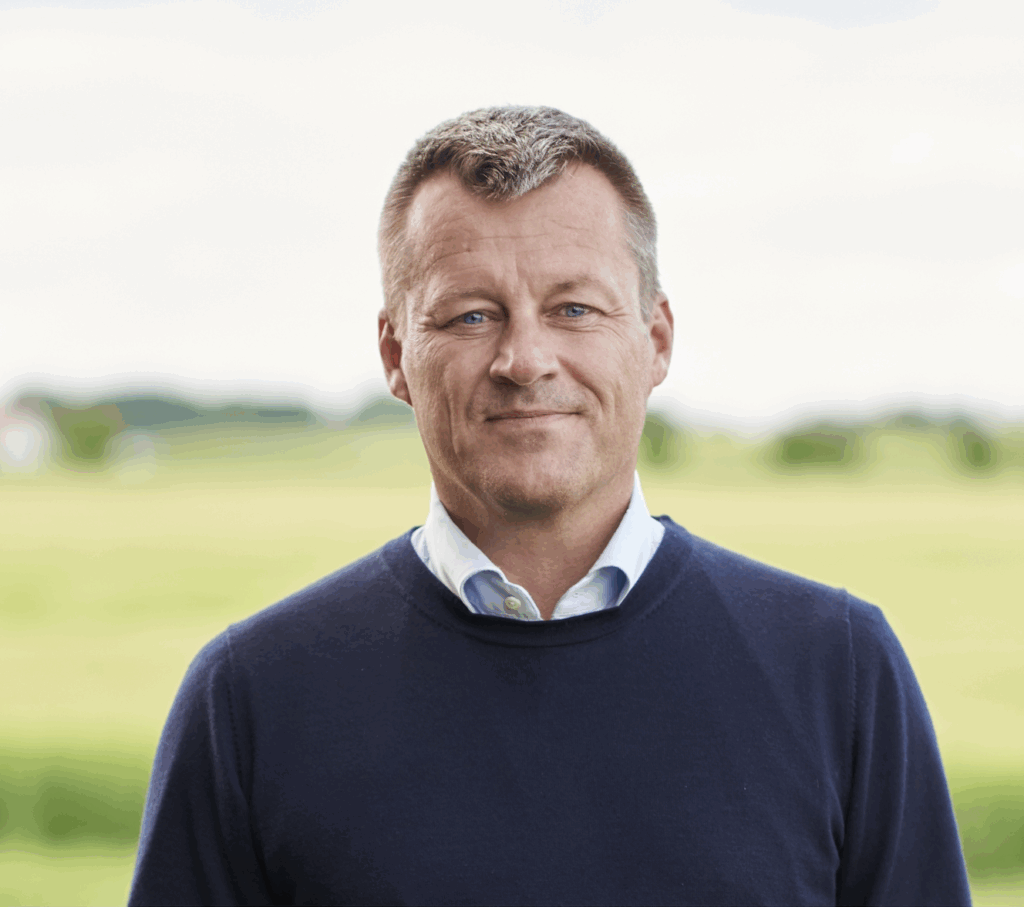
Jesper Brodin is a globally respected leader with over three decades of experience leading large, diverse organizations through transformation in service of people and planet. As CEO of Ingka Group (IKEA), he has overseen the world’s largest home furnishing business—spanning 30+ countries, 170,000 co-workers, and €41 billion in revenue—anchored in the vision of creating a better everyday life for the many. Jesper has led through times of profound global disruption, championing inclusive leadership, sustainable growth, and partnerships that deliver tangible impact on climate action, circularity, and social progress.
Deeply committed to humanitarian values and international cooperation, Jesper has forged high-impact collaborations with governments, multilateral institutions, and civil society to advance the Sustainable Development Goals and foster social equity. He has worked closely with UNHCR for nearly a decade, co-developing refugee livelihood and employment initiatives, and continues to advocate for human dignity, resilience, and opportunity for displaced people worldwide. In addition to his corporate leadership, Jesper serves as Vice-Chair of the UN Global Compact Board, Chair of The B Team, Co-Chair of the World Economic Forum’s Alliance of CEO Climate Leaders, and Board Member of the World Resources Institute—roles that reflect his conviction that global challenges require collaborative, compassionate, and values-driven leadership.
As Sweden’s candidate for United Nations High Commissioner for Refugees, I stand with both excitement and a deep sense of responsibility—to serve millions of people in need of protection.
My vision for UNHCR is anchored in an unwavering belief: we can and will create a better world for people forced to flee. In this world, compassion and support for those most in need will be strengthened, while we demonstrate the value of every individual through durable solutions that empower and include.
We are living in an era of incredible displacement—conflicts, climate change, and instability will continue to force millions from their homes. The role of UNHCR has never been more important than today and will only grow in the decades ahead.
Why me? I bring with me;
These are difficult days for UNHCR. The financing crisis calls for drastic changes and puts people at risk. But to quote HC Filippo Grandi: “There is never an easy day for a refugee.”
If entrusted with this responsibility, I will enter the assignment bringing with me my purpose-driven approach and a principled leadership. As the optimist I am. Being realistic about the challenges – for me optimism is not a sentiment but a choice.
I would focus on;
I bring experience of transforming organisations under heavy cost pressure while increasing staff motivation. With all the respect to the acute situation I am very optimistic about the opportunity to create a more effective UNHCR and UN. The big strategic question is to create a more resilient UNHCR, fit for the future challenges in its mandate to protect, support and find solutions for refugees.
To stay principled and relevant, we must embed transparency and accountability at every level. Actions and results—not words—will build trust.
Cultural change begins with respect: love the past, create the future. UNHCR’s strong culture is an asset, but we must evolve to meet today’s challenges.
The answers are out there—often with the people we serve. I would foster an open climate where critical views are welcomed as a strength, enabling us to understand complexity and design durable solutions.
We must also change the narrative: refugees are a source of strength for societies and economies.
At the core of of it, is not UN structures or solutions but people. Refugees and the staff at UNHCR. These voices must be at the heart of any strategy and plan for the future. In my past I have a championed inclusion of co-workers, customers and in particular youth – the next generation who need to be engaged to one day take over. I believe refugees must be not only consulted but actively invited to shaping solutions and contributing.
Work with host governments, donors, and partners to identify models that successfully integrate refugees into society. Piloting approaches and adapting to local contexts rather than imposing a one-size-fits-all model.
Throughout, we should reflect jointly on progress, ensuring that any steps towards integration are informed by lessons learned and co-created with host communities and refugee leaders themselves.
Sometimes you need to stand beside the mountain to see it. I am optimistic that there is more common ground than diversion between hosts and donors, agencies and NGO’s, refugees and society. The role as High Comissioner will be to bring all stakeholders together, include all voices in creating a common 360 of the problem and way forward. The expectation back on everyone who wants to be heard is to stay loyal to the shared direction. In this crisis, there is no room for audience, only for participation and collaboration.
The foundation is clear: the 1951 Refugee Convention remains a great inspiration. Asylum is a right, and refugee protection is law. In most cultures, this has been honored over thousands of years. The Convention is the foundation and outlines the mandate for the agency. As High Commissioner, I would reaffirm this consistently and publicly.
We must demonstrate its relevance through action: improving access to protection, accelerating solutions, and engaging states in constructive dialogue. After all, it is action that speaks the loudest and advocacy as well as sharing results will show that refugee rights strengthen stability and benefit societies.
Finally, trust in multilateralism must be rebuilt through transparency, accountability, and results. Initiatives like UN80 and the Reset agenda offer an opportunity to show that the UN can deliver. At the end of the day, actions and outcomes—not words—will sustain confidence in the refugee protection regime.
Protracted crises demand systemic change. First, clarity of mandate is essential: UNHCR must do its core job exceptionally well. This credibility is the foundation for effective collaboration.
Second, we must work with partners and other UN agencies to create a shared vision on where work is truly complementary and avoiding gaps and overlaps, aligning humanitarian response with development investments and peacebuilding efforts.
Finally, we must build trust in the UN system through transparency and results. The humanitarian-development-peace nexus is not a slogan; it is a necessity for durable solutions. UNHCR’s leadership will be about convening, listening, and delivering.

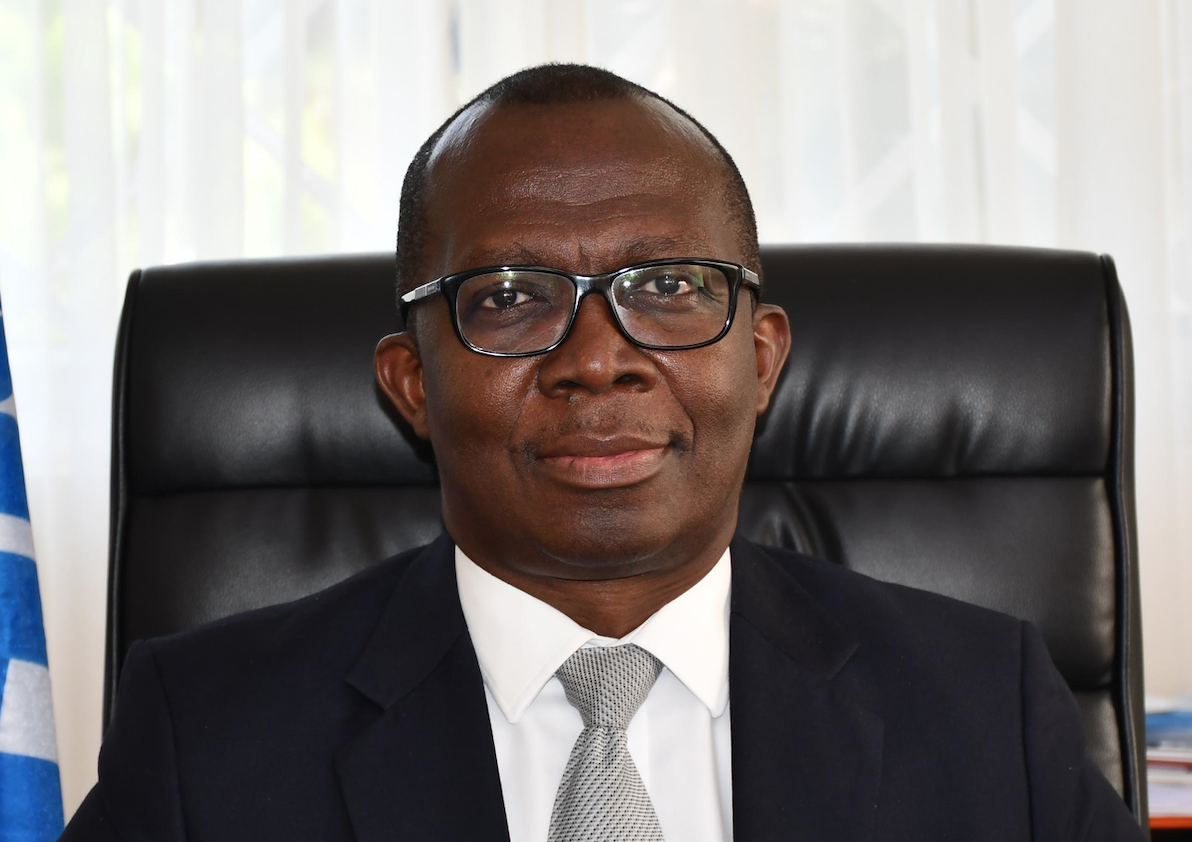
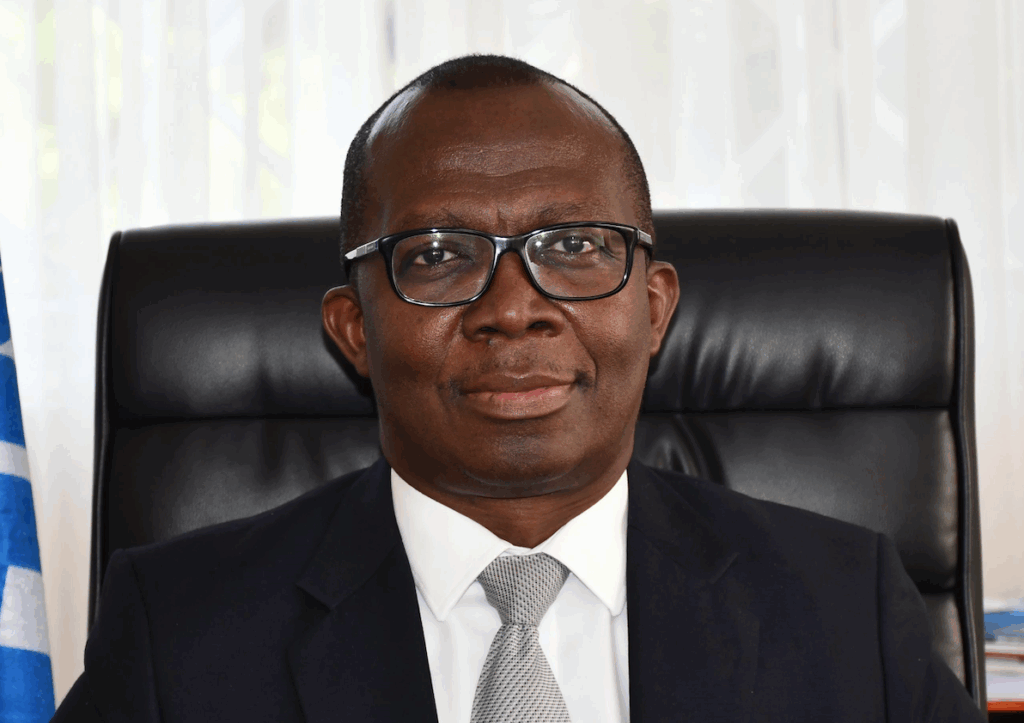
Matthew Crentsil is a seasoned Ghanaian humanitarian leader with more than 31 years of experience within the UNHCR, currently serving as its Representative in Uganda. He began his UNHCR career in 1994, building a versatile portfolio across finance, administration and programme management in Africa, Latin America, Europe and Asia. Prior to his current posting (July 2022) he led UNHCR’s Business Transformation Programme at its Geneva headquarters and previously served as Representative in Venezuela and Deputy Representative in countries including Rwanda and Ethiopia. With an academic background that includes a Master’s in Agronomic Engineering from the University of Ciego de Ávila, Cuba and an MBA from the University of Phoenix, USA, Crentsil brings multi-lingual fluency (English, French, Spanish) and deep operational, strategic and reform credentials.
My vision for UNHCR is one of principled leadership—anchored in the 1951 Refugee Convention and the agency’s protection mandate, while adapting to today’s evolving realities. This means preserving the core of international refugee protection, enabling innovation, and ensuring refugees and host governments fully participate in shaping the organization’s future.
Guided by my 31-year journey with UNHCR, I have consistently championed people-centred protection in complex operational and political environments. I believe practical, rights-based solutions are possible, even in constrained settings, when we lead with integrity, listen to those we serve, and build partnerships that share responsibility.
Central to this vision is refugee self-reliance. Empowered and self-reliant refugees can meet their own basic needs, reducing dependency and easing pressure on humanitarian systems. In the face of dwindling funding, I will champion investments in livelihoods, education, and financial inclusion—aligned with national systems and guided by clear exit strategies and measurable outcomes.
This vision rests on three strategic pillars:
With over 36 years of humanitarian service, including leadership of Africa’s largest refugee programme, I bring authenticity, strategic foresight, and operational excellence. I understand the operational demands on UNHCR staff, the political sensitivities of host and donor states and the balance of staying true to our mandate while adapting to global dynamics. I am ready to guide UNHCR into a new era, focused on protection, self-reliance, and real-world solutions that uphold our mandate and deliver dignity to those we serve.
Strategic Vision for UNHCR Restructuring
If appointed High Commissioner, I would prioritize three strategic actions that will impact the structure of the organization: Refine UNHCR’s focus, reshape its structure, and rebrand the agency in alignment with the UN80 reform agenda. These actions must be grounded in principled leadership, operational efficiency, and inclusive engagement. They should enhance the image of the organization, boost donor confidence and broaden the donor base which is currently centred around North America, Europe and a few other countries including individual donors and the private sector in these countries.
Transparency, integrity, and accountability must underpin all aspects of UNHCR’s work. These principles are essential to building donor confidence, maintaining public trust, and ensuring that UNHCR remains principled, impactful, and indispensable in an era of unprecedented displacement.
As High Commissioner, I would champion a cultural transformation within UNHCR, one that elevates forcibly displaced and stateless persons from passive recipients of aid to active architects of the decisions that shape their futures. This shift requires embedding refugee leadership across institutional systems, operational partnerships, and global advocacy platforms.
The Global Compact on Refugees affirms that responses are most effective when refugees participate meaningfully. The challenge lies not in principle but in execution. Too often, engagement is symbolic or sporadic. My leadership would ensure refugee inclusion is systematically integrated into the design, implementation, and evaluation of protection responses.
Uganda’s Refugee Engagement Forum (REF) exemplifies inclusive governance. Elected refugee leaders sit alongside ministers in national coordination bodies, influencing policy at the highest levels. District-level forums mirror democratic structures, ensuring community representation and inclusivity. These models demonstrate that displaced populations can shape national responses when given genuine space.
Refugee-Led Organizations (RLOs) are pivotal actors in humanitarian response. In Uganda, UNHCR supports 32 RLOs, the highest globally, highlighting their role as advocates, service providers, and innovators. Networks like RELON connect grassroots leadership to global platforms. Yet, RLOs face barriers to funding, registration, and recognition. Under my leadership, UNHCR would streamline compliance, establish direct funding mechanisms, and formally recognize RLOs as equal partners in co-design, implementation, and accountability.
Consultation must evolve into co-creation. Refugees often report being engaged only at the outset of projects, with limited influence thereafter. I would institutionalize two-way accountability systems that reach women, children, and persons with specific needs. This includes accessible feedback desks, transparent communication through trusted community leaders, and mechanisms to ensure refugee priorities shape programming throughout its lifecycle.
Refugee leaders already play critical roles in protection, identifying cases, supporting survivors, and guiding solutions. This is power shifting in practice: communities transitioning from aid recipients to co-providers of protection. UNHCR must scale and institutionalize this approach, including pathways for refugees to join the organization as staff and contribute from within. This transformation is not about isolated participation. It is about embedding refugee leadership into the DNA of UNHCR’s operations. Uganda has shown what is possible: refugees influencing policy, RLOs driving innovation, and communities generating evidence. These are not aspirational ideals, they are proven realities that UNHCR must now scale globally.
Forced displacement is rising at an unprecedented pace, with over 36.8 million refugees and 8.4 million asylum seekers globally by the end of 2024. In East and Horn of Africa, numbers have more than doubled in a decade. Uganda alone hosts nearly 2 million refugees, with projections reaching 3 million by 2030. These figures underscore the urgent need to strengthen and modernize refugee protection systems to meet today’s realities.
As High Commissioner, I would reaffirm the foundational principles of the 1951 Refugee Convention, particularly the right to asylum and non-refoulement. These principles remain vital and must be upheld. However, I recognize that implementation challenges, not the principles themselves, often drive contention. I would engage constructively with states to address these concerns, and to prevent abuse of the asylum system while safeguarding the Convention’s integrity.
The 1969 OAU Refugee Convention, once visionary, now requires revitalization. It lacks mechanisms for responsibility-sharing and does not address contemporary challenges such as climate-induced displacement, digital identity, and urbanization. I would initiate a formal review to embed socio-economic rights, legal identity, and equitable burden-sharing.
Durable solutions must be embedded from the outset. Tailored approaches such as local integration, resettlement, or voluntary return, should be prioritized, especially for vulnerable groups. Regional resettlement schemes and pooled funding, aligned with the Global Compact on Refugees, can help distribute responsibility more fairly.
Protection frameworks must evolve. Integrating the OAU Convention with the Kampala Convention on IDPs would ensure comprehensive coverage across displacement scenarios. Legal clarity on climate-induced displacement is also essential to strengthen protection and preparedness.
UNHCR must invest in evidence-based planning, support national legal reforms, and convene inclusive dialogues. By defending asylum, modernizing frameworks, and addressing emerging realities, the agency can remain a principled, credible, and effective guardian of international protection.
UNHCR must adapt to the reality of increasingly protracted displacement crises amid declining humanitarian funding. Millions of forcibly displaced and stateless persons are caught in limbo, heavily dependent on a system that was never designed, nor sufficiently resourced, to provide long-term socio-economic support. To remain relevant, the agency must reinforce its core mandate—emergency response, protection, and coordination—while engaging more effectively across the humanitarian-development-peace nexus.
UNHCR must remain laser-focused on what it does best: emergency response, international protection, and coordination. We must avoid overstretch, leaving long-term thematic development work to those best equipped, such as the World Bank, IMF, UNDP, and specialized UN agencies, while ensuring that protection remains central to all responses.
Durable solutions must be embedded from the outset. Inclusion in national systems, as seen in Uganda, Moldova, and Brazil, strengthens local economies and promotes self-reliance. Regional harmonization of asylum laws with support of entities like IGAD and EAC in the East and Horn of Africa can ease movement and access to work. In fragile regions like the Sahel and in the Great Lakes, aligning protection with peacebuilding strategies, addressing drivers of displacements and supporting returns when conditions allow is essential to promoting stability.
UNHCR must promote sustainable self-reliance through livelihoods programs, private sector partnerships, and structured settlement planning. Its convening power should bring together humanitarian, development, and peace actors, while embedding accountability and efficiency. This includes expanding partnerships with financial institutions, transferring services to local authorities, and supporting refugee-led organizations.
To remain forward-looking, UNHCR must embrace innovation and prepare for climate displacement, digital inclusion, and emerging vulnerabilities. By reaffirming its mandate, embedding solutions early, and building strategic partnerships, UNHCR can reduce dependency and empower displaced persons to reclaim agency over their lives.

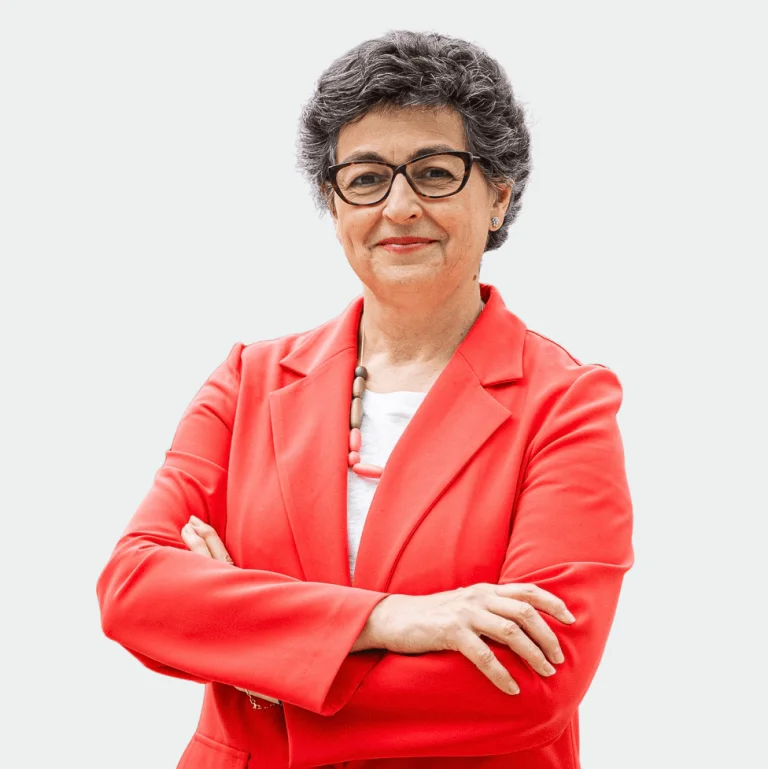
Arancha González Laya is the Dean of the Paris School of International Affairs at Sciences Po. and was Minister of Foreign Affairs, European Union and Cooperation of Spain (2020-2021). She served as United Nations Assistant Secretary-General and Executive Director of the International Trade Centre, the joint development agency of the United Nations and the World Trade Organisation (2013 to 2019).
Between 2005 and 2013 she was Chief of Staff to World Trade Organization Director-General and his representative (Sherpa) at the G-20. Prior to that she held several positions at the European Commission in the area of external relations. Arancha began her career as an associate in a German law firm advising companies on trade, competition and state-aid matters. She serves in the Board of the Bertelsmann Foundation and the Mo Ibrahim Foundation. A Spanish national, Arancha holds a degree in law from the University of Navarra and a postgraduate degree in European Law from the University of Carlos III, Madrid.
I wish to thank ICVA for the opportunity to engage in a dialogue both in person in Geneva and in writing on my candidacy to lead the UNHCR given the critical role of NGOs in the humanitarian space.
At a time when forced displacement reaches historic levels and the multilateral system faces unprecedented stress, UNHCR must remain a beacon of humanity, legality and trust. It must preserve its mandate of global guardian of refugee protection while adapting to the rapidly evolving political, economic, and humanitarian landscapes to keep providing solutions to the plight of refugees. The task ahead is to ensure that the institution continues to defend the international protection regime with integrity, while engaging constructively with States and partners to sustain its effectiveness and operational impact.
UNHCR is today impacted by a triple crisis with profound political implications. First and foremost a crisis in humanity, with growing hostility towards refugees, forcibly displaced and stateless and with the weakening of the bond of shared responsibility which is at the heart of the 1951 Refugee Convention and the Global Compact on Refugees. Second a crisis in response, with severe cuts in financing significantly affecting refugees and host communities. Thirdly, there is a crisis of crises, with conflicts multiplying around the world and many of them becoming protracted.
Leading UNHCR in these troubled times will be a serious challenge. Having devoted more than 30 years of my life to international cooperation in my native Spain, at the European Commission and within the United Nations itself, I am aware of the growing difficulties, I am not naïve about the depth of the divisions and the breakdown in solidarity. But having worked in many of the world’s most complex contexts I am also humbly aware of the opportunities that come from relentless investments in building bridges and finding spaces for understanding with pragmatism and creativity. I have witnessed on the ground the devastation and suffering brought about by conflict but also the power of solidarity of neighbours, often low- and middle-income countries and partners. I have seen violations of most basic human rights, but I have also been part of efforts to protect and uphold them in a principled manner. I have seen the power of working together with states, other international organisation and with civil society partners doing admirable work on the ground to achieve scale and drive impact. I am conscious of the current funding challenges, and I am ready to work to address them. I have done it in the past. It is possible. It is more urgent than ever.
The organisation is already undergoing a painful restructuring, under the leadership of High Commissioner Grandi and his team. And these reforms are taking place concurrently with the changes being decided within the UN80 three workstreams and the ongoing Humanitarian Reset. The three need to be synergised.
In the short term, the first imperative is to stabilize the financial situation which will allow a more strategic setting of priorities. No stone should be left unturned in the effort at diversifying and expanding UNHCRs funding base. This includes deepening partnerships with traditional funders, engaging new ones, tapping into the generosity of individuals through UNHCRs national committees, enhancing partnerships with the private sector and focusing on more flexible and unearmarked contributions. At the same time, efforts should continue to maximize efficiency and impact. The short term should guide the medium to long term capacity of the organisation to be nimbler and more impactful.
In the medium term, UNHCR must evolve into a more agile and learning-oriented organization. This means investing in innovation, data, and predictive analytics to anticipate displacement trends, guide policy decisions, and strengthen risk management. The organization must also deepen its engagement in the humanitarian-development-peace nexus, integrating long-term perspectives from the start of crises to reduce dependency and foster resilience.
But restructuring is not only a financial or administrative exercise; it is also a human one. Rebuilding staff morale and trust is essential. Transparent internal communication, fair accountability mechanisms, and inclusive decision-making will be central to restoring confidence among staff and Member States alike.
While acknowledging that UNHCR is an intergovernmental organisation, I would also be guided by paragraph 34 of the Global Compact on Refugees when it says that “UNHCR responses are most effective when there is meaningful engagement of refugees and host communities”. It is not just tokenism; the reality is that there cannot be effective solutions without those most affected. This would be my guiding star. Empowering those UNHCR serves begins with shifting decision-making and resources closer to the field. Local teams and communities must be equipped to drive strategic choices based on the realities they face. This includes strengthening collaboration with national and local NGOs, whose contextual understanding and community trust make them indispensable partners in cost-effective and sustainable delivery. It also requires creating genuine legitimate spaces for refugees and stateless persons to contribute meaningfully to planning, monitoring, and evaluation processes. Their insights and experiences are essential to designing interventions that are both relevant and dignified.
Building a culture of partnership is equally vital. It is not “us versus them” but rather working “as one”. All stakeholders, including Governments, both local and national, UN organisations, International and local NGOs, refuge-led and women-led organisations, International Financial Institutions, host communities and, obviously, the forcibly displaced, must act together with a common sense of shared responsibility within their mandates.
The same is true within the UN family with UNHCR working closely with OCHA and reinforcing its cooperation with IOM to manage mixed movements through route-based approaches that recognize the complex drivers of mobility, while maintaining clear distinctions between mandates. UNHCR must also be a solid partner of development actors, particularly UN development agencies, first and foremost UNDP, and development banks, to strengthen national systems and public institutions in host countries, better linking humanitarian aid to longer-term resilience and inclusion.
The obligation to protect those fleeing danger was codified in the landmark 1951 Refugee Convention and its subsequent protocol. Since then, similar frameworks have been developed at the regional level in Africa, in Latin America or in Europe. States built these instruments, and states are accountable to implement them. The primary responsibility to protect is with states with UNHCR having supervisory responsibilities and the obligation to defend and uphold the legal compact and moral compass that it represents.
For some time now there is a growing questioning of the system of asylum, an erosion of humanitarian principles and more broadly a crisis in solidarity. Refugee protection is conflated with migration and instrumentalised for political purposes. At the same time the number of forcibly displaced keep growing as do “mixed movements”. Many situations have become protracted and questions such as internal displacement have grown significantly. All of this has created normative challenges and operational tensions. Yet the Convention remains a resilient and adaptable instrument, capable of guiding members through contemporary complexities. As custodian of the Convention UNHCR is uniquely positioned to help members operationalise the principles in the convention and adapt them to national specificities. And the more recent Global Compact on Refugees and the UNSGs Action Agenda on Internal Displacement contains avenues to address many of the challenges that we repeatedly hear.
As High Commissioner I would defend with vigour the principles enshrined in the convention but would also work with all members to identify practical and humane solutions, first and foremost with low and middle-income countries who host three quarters of world refugees. I would be guided by principled pragmatism anchored in dialogue, transparency and honesty putting forcibly displaced at the centre.
The humanitarian-development-peace nexus is not an abstract concept. For UNHCR it is the path towards sustainable protection. In a world where conflicts exponentially increase humanitarian needs, with the reality of protracted displacement as emergencies become increasingly prolonged it is crucial to ensure humanitarian action supports transitioning from short-term relief to long-term resilience and inclusion. And that this is integrated with conflict prevention and peace building and within the broader efforts at supporting countries achieve the SDGs and respect human rights. UNHCR must deliver by playing to its many strengths while contributing to bridge-building across the humanitarian, development, and peace pillars, enabling durable solutions rooted in national systems and community ownership.
UNHCR’s comparative advantage lies in its ability to connect humanitarian response with long-term investment. Using data, knowledge, and local analysis, it can support development partners and governments in prioritizing interventions that build resilience. Collaboration with international financial institutions, such as the World Bank and regional development banks, is key to aligning humanitarian objectives with national development goals.
During my tenure as Executive Director of the ITC we partnered with UNHCR to enhance economic and employment opportunities for refugees worldwide. This partnership aimed to improve refugees’ livelihoods by increasing their skills and connecting them to international trade opportunities, ultimately supporting their economic empowerment and self-reliance. It is one clear example of how the nexus can work in practice.
Operationally, such approaches must be rooted in a culture change that moves organisations from individual achievements to collective outcomes, that is supported by funding mechanisms that incentivise collaboration and that is embedded in joint accountability mechanisms.

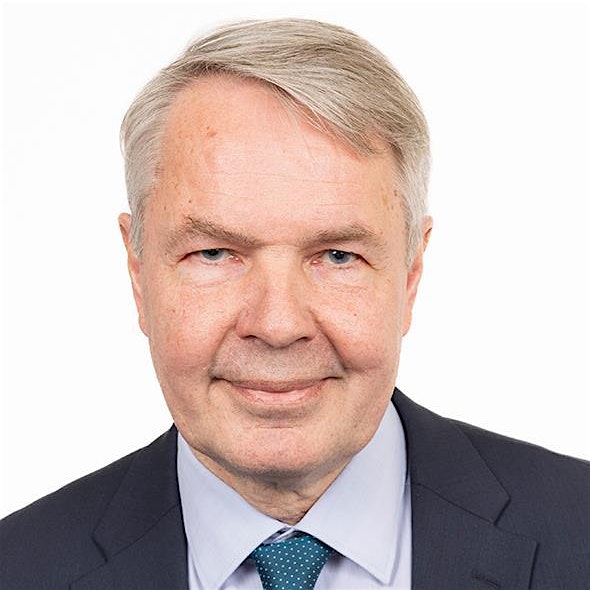
Pekka Haavisto is a Member of Parliament and the former Foreign Minister of Finland (2019-2023). He is a peace negotiator and a defender of both democracy and human rights. Haavisto is especially experienced in foreign policy and international operations. He has led research into the environmental impact of wars and represented the EU and the UN in various crises all over the world.
Haavisto was a Member of the Finnish Parliament from 1983 to 1995 and was returned to Parliament in 2007. From 1995 to 1999, he served as Minister of Development and the Environment and from 2013 to 2014 as Minister for International Development. From 1993 to 1995 and from 2018 to 2019, he served as leader of the Green Party in Finland. He has also served for several years as a member of the Helsinki City Council. He stood as a candidate in the Finnish presidential elections in 2012, 2018, and most recently in 2024 receiving 48,4 % of votes.
He has a wide array of experience in various areas of foreign policy, including chairing UN Environment Programme (UNEP) task forces on the environmental impacts of wars in the Balkans, Afghanistan, Iraq, Liberia, the Occupied Palestinian Territories and Sudan. He has also worked as the EU Special Representative for Sudan and Darfur, Special Advisor for the UN (ASG) in the Darfur peace process, and Special Representative to the Minister for Foreign Affairs in African crises.
The multilateral system established after the Second World War — with the United Nations and its specialized agencies, such as UNHCR, at its core — is undergoing a period of profound transformation. It now faces competition from national and regional agendas that, however, cannot match the UN as a provider of global security.
The uniqueness of the UN system can be illustrated by a simple thought experiment: if the United Nations did not exist and we sought to establish it today, would it be possible to create a common forum of 193 countries where every nation has a voice? Certainly not.
Yet we know that truly global fora are indispensable — for promoting peace and development, and for addressing issues related to displacement and refuge. The true value of internationally agreed conventions is highlighted during challenging times. UNHCR was needed yesterday, and it is needed today and tomorrow. I believe that UNHCR’s mission — to protect, assist, and find durable solutions for displaced people — is more essential than ever.
We are seeing narratives that are increasingly hostile towards refugees in many Western countries, many of whom are also reducing their funding to humanitarian assistance, and focusing development aid to countries with better promises of trade benefits. At the same time, we have more refugees, asylum seekers, stateless people and displacement than ever before. The crises they are fleeing are politically difficult to solve, and increasingly protracted. Climate change is also pushing people to move.
The truth is that UNHCR will be in an increasingly difficult position in the years to come. It will have to reform and adapt to ensure delivery at country-level; it will have to prioritize services while coordinating with host nations and donors; it will have to bring in development actors and political action for more permanent solutions for displaced persons. UNHCR will need a leader who can listen to different sides and come up with implementable solutions for all. All this must be done while ensuring the UNHCR is listening to what displaced persons themselves need and want.
Why am I a candidate for the position of UN High Commissioner for Refugees? I am a long-serving Member of Parliament who has held several ministerial positions — twice as Minister for Development and Humanitarian Assistance, and most recently as Minister for Foreign Affairs. As Minister, I have successfully steered several large organization-wide processes. I have also worked within the United Nations (UNEP) for six years, leading post-conflict environmental assessments in the Balkans, Afghanistan, Iraq, the Occupied Palestinian Territory, Liberia, and Sudan. In addition, I have served as the EU Special Representative and as a UN ASG-level adviser on the crises in Sudan and Darfur. I have seen firsthand what the nexus between displacement, development, and peace truly means.
In my work within the UN, I have gained valuable insights and leadership skills from within its organizational structures. I have also learned both the challenges of internal UN coordination and the critical importance of cooperation with other actors — including civil society organizations and local groups — in achieving meaningful results. In all my positions, I have emphasized the value of networks and the importance of understanding the realities on the ground.
We are living in a time of change — but within UNHCR, change must be managed and guided. I want to thank every UNHCR staff member for their commitment, dedication and contribution, and I fully understand the significant impact that major transformations can have among the organisation’s personnel.
The UNHCR has been — and will remain — a cornerstone of the United Nations family. I commit to ensuring that UNHCR will remain strong despite being smaller. Our shared task is to renew it for a changing world — with courage, cooperation, and compassion.
My first priority would be to place UNHCR’s financing on a more stable footing. This requires renewed dialogue with donor countries — and, hopefully, an increase in the number of states contributing to humanitarian assistance. Greater cooperation with regional development banks will be essential. UNHCR has been a pioneer in mobilizing funding from the private sector. I intend to build on the work done thus far and to accelerate the efforts. Nonetheless, UNHCR must be at a size that is financially viable in the longer-term; it must define which services and geographical areas are priorities, and where it has to rely on others to do the job. This means having some tough discussions and listening. The task that UNHCR will set out to do, will also have to be realistic for UNHCR’s staff to implement.
My second priority would be to strengthen cooperation with other UN agencies, international organisations, and local actors. Each partner has its own comparative advantage, and by combining the strengths and efficiencies of different actors, we can achieve more impact with the same financial resources. I believe this is crucial both for refugee-hosting countries and for the donor community.
Dialogue among host countries, donor countries, and operational partners is of utmost importance. It is essential that UNHCR shares accurate information with its partners and listens carefully to them. I have appreciated that the current High Commissioner, Filippo Grandi, listens attentively to member states’ interventions during Executive Committee sessions and responds to them. I would act in the same spirit, and I believe that dialogue and building strong partnerships is where I have much to offer.
In times of transition and change, staff wellbeing and motivation are also vital. As my third but certainly not the least priority, as High Commissioner, I would make myself accessible to UNHCR’s employees. Transparency and trust are equally important within the organisation itself.Forcibly displaced and stateless persons are the best experts on their own situations. It is therefore key that they are also active and engaged around the selection process for the next High Commissioner for Refugees, asking questions and making their voices heard.
In my own country, Finland, I have worked extensively with organisations representing refugees and defending their rights. I was also the founder of the Human Rights Group in the Finnish Parliament. During my term as Minister for Foreign Affairs, Suldaan Said Ahmed — a representative of Finland’s Somali community — was appointed as my Special Envoy for Peace Mediation. It is important to recognise the strength and potential of the diaspora in advancing peace and development.
Throughout my political career, I have worked closely with citizens and civil society organisations. Finland is one of the UN member states that consistently includes representatives of civil society in its UN General Assembly delegations.
UNHCR has been a pioneer also in promoting broader participation by citizens and civil society. I would continue to advance along this path. UNHCR’s work to support refugee-led organizations and institutionalize their participation in decision-making is something we need to continue to push further. It is not only morally right; it is necessary. If we want more permanent solutions, we cannot do this without hearing the people for whom these solutions are intended.
Operational actors – especially local organisations – are those most familiar with field realities. They are on the ground, and respond before, during and after crises, and are the backbone of humanitarian and refugee response. So as High Commissioner, I would ensure that UNHCR focuses on its mandate, expertise and added value within the larger humanitarian ecosystem and in the countries that it operates – to be a strong supporter, enabler and partner to operational actors. Humanitarian and refugee responses are not sustainable, effective or accountable without these close partnerships.
Engaging and increasing the role of national and local organizations in aid delivery creates more sustainable outcomes, and it is more cost-effective. We need to increasingly move in this direction step-by-step.
This is one of the most important questions. UNHCR has a vital and central mandate to protect refugees and stateless persons, and as High Commissioner I would act fully in line with this mandate and defend it firmly.
UNHCR must also take part in the public debate concerning refugees and their place in the world — not only because of its mandate, but because through its operations and global network, UNHCR has the most comprehensive overview of the global refugee situation.
In many countries, public discourse about refugees can be discriminatory, dismissive, or even hostile. This makes accurate and fact-based information absolutely essential.
Even in contexts where refugees are portrayed as a source of problems, UNHCR must remain present in the discussion, bringing forward its own perspectives and evidence.
We need to ensure that the refugee protection regime is respected globally, so that it will stay credible and effective. While being clear on the fundamentals of the importance of international protection, as High Commissioner, I would be ready to engage in dialogue with all actors on current challenges. We should not be scared of dialogue, but see it as an opportunity to increase understanding and agreement.
In a world where discussions increasingly revolve around security, it is crucial to demonstrate how upholding UNHCR’s mandate and maintaining effective tools for addressing refugee situations actually enhance collective security — and how the world would be far less safe for everyone without a functioning international refugee protection system. The protection, humanity, predictability, and collaboration between countries that the Convention Relating to the Status of Refugees has brought globally is exceptional.
It is also important to remind everyone that we are talking about people, and that refugee protection and the global asylum system provide protection for us all.
The intersection between humanitarian assistance, development, and peace is real, and it would be a mistake not to consider the linkages between these areas. While the United Nations and the international system have dedicated organisations for each of these themes, my answer is increased and seamless cooperation among these actors. The future High Commissioner has a key role to play in this regard.
In my earlier career, I have also witnessed “friendly fire” situations between organisations — and in such cases, everyone tends to lose. From the donors’ perspective as well, it is encouraging when organisations are able to cooperate effectively and harmoniously.
There is also some overlap within the UN system itself, which processes such as the UN80 and the Humanitarian Reset aim to address. While they arise from a challenging starting point and bring about change that can be difficult to accept, I consider the much-needed reform effort a positive and welcome one.
Unfortunately, there is no end in sight for UNHCR’s core tasks. The world’s refugee challenges will not be resolved quickly, but we must work tirelessly to ensure that secure resettlement in a new country, safe and voluntary repatriation, or – if neither works – sustainable integration in host countries are all real and achievable options. We also need political solutions for countries in crises, and we need to enable safe conditions for repatriation. In addition, we cannot ignore the impact that the changing climate has for the forcibly displaced and host communities, whether through repeated droughts or floods.
Even if the times are different, luckily we don’t have to invent the wheel again. The Global Compact on Refugees includes the main elements already. Especially in increasingly protracted situations, the key is to increase responsibility and burden sharing.
A refugee’s life is a full human experience — and in addition to protection, water, food and health, it must include shelter, education for children, opportunities for employment, and above all, a life in dignity. This can best be supported with the tools, capacities and resources of UNHCR, through smooth and effective cooperation among organisations and actors.

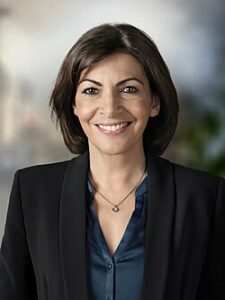
Anne Hidalgo has been Mayor of Paris since 2014, following over a decade as First Deputy Mayor with responsibilities for gender equality, urban planning, and architecture. She also serves as First Vice President of the Greater Paris Metropolis and has held key international mandates, including President of the International Association of Francophone Mayors and former Chair of C40 Cities, a global network of 100 mayors from the world’s leading cities united in action to tackle the climate crisis. Trained in social sciences of labor and labor law, she began her career as a labor inspector and activist with the League of Human Rights, before joining ministerial cabinets and Parisian municipal leadership. Widely recognised for her commitment to inclusive urban development, gender equality, and climate action, she has been honoured with numerous awards and distinctions from France and abroad, reflecting her international influence.
I understand the gravity of the moment. We are facing a profound crisis of protection: the convergence of conflict, climate change, growing demographic trends and a rising hostility to multilateralism is driving up displacement and statelessness, shrinking asylum space and threatening to reshape the international order in ways that could erode the very notion of international solidarity.
This crisis is compounded by an unprecedented financial emergency across the humanitarian system and within UNHCR itself, which has seen budget cuts of nearly 40 percent and the loss of thousands of staff positions, negatively affecting programme delivery for millions of refugees, as well as staff morale.
My vision for UNHCR is therefore grounded in a sober acknowledgment of the difficulty and complexity of this situation. It calls for pragmatic, principled and people-centred leadership by the High Commissioner to deliver on the dual goal of shoring up and strengthening the refugee protection regime, and building an agile, effective, and accountable organization that concentrates its attention and resources on its core protection mandate and on areas where it can demonstrably add the greatest value. More than ever, as the Custodian of the 1951 Convention and related treaty, the High Commissioner must be a defender of international law, a builder of coalitions, a voice of moral authority on behalf of the displaced, and stand firm on humanitarian principles, ensuring that efficiency never trumps ethics.
I believe that I am fully prepared to lead UNHCR because of my personal history, political leadership, and lifelong commitment to justice and solidarity.
My family’s story is rooted in exile. My grandfather fled General Franco’s Spain during the Civil War, seeking refuge in France. After returning, he was condemned to death—though eventually pardoned—and ultimately imprisoned. I learned early that the right to asylum is not an abstract principle but a matter of both survival and dignity. This, and my feminist commitment, has given me a sense of mission to protect those who flee.
As mayor of Paris—the first woman ever to hold this office—I directly confronted the consequences of global crises.
During my two terms, I have led one of the world’s most complex cities through terrorist attacks, social unrest, mass migration, and the COVID-19 pandemic. Each crisis tested my ability to make difficult decisions swiftly, stand firm on principles, and bring people together when fear and division loomed.
I therefore have extensive experience in managing large, complex organizations in crisis. For over a decade I led a municipal workforce of over 55,000 people, managed an annual budget of EUR 9 billion, delivering frontline services while shepherding a difficult institutional reform process that boosted the effectiveness and morale of the city’s administration.
My leadership has transformed Paris—advancing sustainability, pedestrianization, cycling infrastructure, and green urban policies—in ways that placed me at the forefront of international climate diplomacy. I have chaired C40 Cities, a grouping of 100 of the world’s largest cities; currently serve as president of the International Association of Francophone Mayors (AIMF), which brings together 300 mayors, of whom 80 per cent lead cities in Africa; and am a global ambassador for both the Global Covenant of Mayors for Climate and Energy (GCOM) and United Cities and Local Governments (UCLG). My experience preparing Paris to host the Olympic and Paralympic Games, one of the most complex international events of our time, also stands as a strong testimony of my capacity to lead, raise funds for and build coalitions to successfully deliver a major global project.
The future of displacement is increasingly urban, and the solutions will be built not only at central government level, but also in the city halls, community centers, and local businesses of host countries. My experience as Mayor is not only relevant to many of the core challenges the organization faces. It has also profoundly shaped my mindset and approach in ways that I believe will have prepared me to lead UNHCR well: the work of mayors is to build and work collaboratively with teams, and to provide services and an enabling environment for people from birth to death.
As my entire career has been defined by local, bottom-up action – implementing participatory budgets and building broad coalitions with civil society – I will bring to UNHCR the specific, highly relevant practical, ground-up experience and skillset of a local solutions insider.
My firm conviction is that such bottom-up approaches are essential to enrich and strengthen multilateralism, and I am deeply grateful for the support of so many countries and cities from both the Global North and South for my candidacy. I take their endorsement as a clear sign of their trust in my strong coalition building skills, essential to get different national and local stakeholders to work together to turn the principles of the Global Compact on Refugees into a reality.
I would be honoured to serve as High Commissioner, to defend protection space, to strengthen UNHCR’s presence in the field, and to ensure that refugees, the stateless and other displaced people everywhere are treated not as a burden but as human beings with rights, dignity, and potential.
My immediate objective will be to consolidate the political and financial support required to improve refugee protection. To this end, my attention will be focused on three interconnected priorities: fundraising, shoring up political support, rebuilding the organization’s internal strength and rekindling its morale.
First, the issue of financing is central. I will lead a robust and creative fundraising strategy, making a compelling case to traditional country donors, boosting support from other countries and enlarging to new ones. As hosting countries, largely in the global south, bear the brunt of the costs of hospitality, other countries, especially those in the North, must pay more and I will be relentless in pressing this point with them. I will also actively tap new and innovative funding sources. I will endeavour to forge new coalitions across governments, cities, NGOs, civil society, and non-traditional donors to strengthen UNHCR’s reach and increase resource channels. This will be coupled with internal reforms to make UNHCR more efficient and effective, demonstrably improving value for money to inspire donor confidence.
Second, we must enhance political support for UNHCR’s protection mandate and ensure effective delivery of protection, assistance and solutions to those we serve. This requires a strategic clarification of our role to ensure we focus where we add the most value and adjust to ambitious but realistic fundraising prospects. This is not about shrinking our mandate, but about clarifying roles for greater impact. I will work with our sister UN agencies and NGO partners to ensure that the refocusing of UNHCR’s work is done responsibly, preventing any gaps in protection or services for those in need.
My experience has shown me that protecting women and children is not just a worthy end in itself, but also a powerful lever of inclusion and social welfare. I intend to ensure that we continue to center them at every turn, through UNHCR’s work and that of NGO partners.
Third, this strategic prioritization will inform a review of our organizational footprint, building on the work already started, to ensure our structure is fit for purpose following the recent drastic cuts. This is not about doing more with less, but about focusing on what matters most and empowering our staff and NGO partners to deliver.
To achieve these goals, we must invest in our people. Working for refugees and the displaced for UNHCR’s staff and those of its NGO partners is more than a job. Their motivation is rooted in a deep, lifelong commitment to refugees and justice, which I share. I look forward to working with them to support, strengthen, and bring new resources to this vital organization and its dedicated workforce.
My immediate priority will be to re-engage and remotivate a workforce that has been hurt by recent cuts, which while necessary in light of the situation, were traumatic for many. In this regard, I will be paying particular attention to our national staff and those closest to the communities we serve, who deliver protection and facilitate assistance and solutions at the “first kilometer”. This will involve determining where functions should best be placed between HQ, regional bureaus and country operations to best deliver protection and facilitate assistance and solutions to those we serve.
My leadership will be empathetic, focused on rebuilding the psychological safety of our staff, as we cannot deliver principled action without a motivated and supported workforce.
This entire process will be guided by collegiality, trust-building and transparency. I commit to regularly communicating our reform plans and budget decisions internally and externally, ensuring our partners and the public are fully informed as we navigate this crisis and rebuild a stronger, more resilient UNHCR together.
While working out a detailed, full-scale program will necessarily require extensive engagement and consultations as outlined above, I would like to share some of my initial reflections on how to improve partnerships, building on the strong basis laid by Filippo Grandi and his team.
First, we must meaningfully improve our partnership with refugees and affected populations. Rebalancing power and fostering genuine partnerships demands a profound cultural shift. Building on what has been achieved to date, I am committed to doing the utmost to take concrete and trackable steps so that our actions towards refugees, the displaced and host communities are co-constructed and delivered with them, and to ensure that their voices influence global debates. To this end, we need to provide greater support to refugee-led organizations (RLOs), particularly those led by and looking after issues important for women.
Moreover, to localize effectively, we must shift from a supply-driven, project-based approach to a more demand-driven, area-based model. Working with local actors, we can co-design holistic, multi-year plans that respond to community-defined needs, truly localizing our response and operationalizing the HDP Nexus. Our NGO partners should be at the forefront of this effort.
Second, concerning NGOs I will strengthen our alliances with the local, national and international NGOs as well as civil society and local authorities that are at the front end of humanitarian and protection delivery.
In this regard, we need to acknowledge that despite years of discussion on localization, and some notable headway, we must do better for UNHCR’s 900+ NGO partners. Simplification of our bureaucratic requirements, which disproportionately burden local NGOs, will be my priority. This could include championing a new approach on overheads for national partners within the IASC, and pushing for a simplification of due diligence for NGO partners.
In refugee settings, HCR has the mandate and capacity to take much of this forward, with the support of our donors. In non-refugee settings, we will need to work collegially with our IASC partners to deliver change.
Change starts with ourselves. Staff should be UNHCR’s agents of change. As such, while they will need to both embrace and adjust to change and the new partnership paradigm, they must be supported by the organization with enabling policies and leadership to do so.
To ensure this does not remain just a statement of intent, I will commit to developing early in my tenure, a set of specific and trackable actions, grounded in consultations with staff, refugees, NGO partners, national and local authorities as well as IASC partners, to meaningfully move the dial on partnerships in the coming years.
Keeping protection at the center in both words and deeds—the core of my mandate as custodian of the 1951 Convention and related treaties—will be my highest priority. In today’s fraught political context, defending the right to seek asylum requires more than just asserting principles; it demands sophisticated humanitarian diplomacy, strategic action, and an unwavering commitment to international law.
My approach will be one of principled pragmatism. I will be a tireless and principled advocate for refugees, speaking truth to power when necessary, following in the footsteps of Filippo Grandi. Effective advocacy requires engaging with states not only on the basis of law and compassion but also on their own security, economic, and stability interests. We must build ‘coalitions of the willing’ to find practical solutions that uphold protection standards. When necessary, I will not hold back from holding governments accountable for violations of international law, such as refoulement, pushbacks, and the offshoring of asylum.
This vision is also grounded in my mayoral experience, when I had to find dignified solutions to welcome tens of thousands of refugees from Syria, Afghanistan and elsewhere in Paris. Working together with civil society, NGOs and communities, we demonstrated that it was possible to generate public support for refugee friendly policies.
Defending and, where possible, reinvigorating the protection regime requires a multi-faced strategy. The GCR will be central for me. It provides clear commitments essential to operationalize the 1951 Convention in the 21st Century. I would like to pay tribute to all those who worked hard to make the GCR a reality, and will make its implementation my highest priority. This could include:
1) Working to support States and to carefully strengthen global Legal Frameworks and Norms in developing the right and highest standard normative framework at national level, and to implement durable solutions and protection. Recognizing the link between safe migration and asylum, I believe strengthening the UNHCR-IOM partnership should be a top priority to harmonize our approaches on mixed migration and complementary pathways. Throughout, we will need to be vigilant and stand firm on the 1951 Convention and the principle of non-refoulement and defend the existing legal framework against erosion.
2) Protect Humanitarian Space: I will proactively advocate for the protection of humanitarian space and the security of all aid workers. The ability of UNHCR and our NGO partners to operate safely and independently is essential.
3) Prioritize the Most Vulnerable: I will put women, children and other vulnerable groups first. This includes an absolute commitment to making the prevention of and response to Sexual Exploitation and Abuse (PSEA) an operational priority.
4) Win the Narrative War: We must counter the toxic narratives that fuel xenophobia and erode solidarity. I will explore investment in strategic communications, working with tech companies, media, and academia to anticipate and counter disinformation campaigns.
5) Improve emergency response capacity: Even as we pursue long-term solutions, as our ability to deliver life-saving protection effectively and in a timely manner when new crises arise is ultimately what makes the greatest difference for those affected by displacement.
Working effectively across the Humanitarian-Development-Peace (HDP) Nexus is essential for finding durable solutions, but it requires greater clarity on UNHCR’s role and that of other stakeholders. My position is clear: UNHCR cannot and should not be a development or peacebuilding agency, and our role in the Nexus is to be an indispensable catalyst and guarantor of durable solutions rather than an implementer. In practical terms, this means that UNCHR should use its expertise and field presence to ensure that development and peace initiatives are designed with and for displaced people, that their rights are respected at every stage, and that humanitarian principles are upheld.
I believe that this strategic focus is not just a matter of principle; it is made necessary by the combination of the growing complexities of asylum, statelessness and the financial crisis we are in. Delivering on this requires acting on a number of fronts simultaneously:
1) Break the cycle of prolonged emergency assistance: We must more systematically establish mechanisms for responsibly transferring responsibilities to states and development actors whenever conditions allow. One of my objective is to evolve camps into cities that offer protection, education essential services and access to the labor market. This requires investing in local capacity and advocating for the inclusion of refugees in national development plans. I will push for greater mobilization of Multilateral Development Banks (MDBs) to support host countries in this transition. Working closely with States, local authorities and sister UN mandated agencies such as UNICEF, WHO, UNHabitat and UNDP WFP will be essential in this regard.
2) Facilitate new solidarity pacts: Building on the Comprehensive Refugee Response Framework (CRRF), we will strengthen UNHCR’s role as a facilitator.
3) Build a New Funding Architecture: A primary obstacle to the Nexus is the lack of effective funding for protracted crises. I will propose to convene a high-level initiative with the World Bank, other MDBs, and the private sector to develop innovative financing mechanisms—such as resilience bonds and blended finance instruments—that can bridge the divide between humanitarian and development funding streams.
4) Champion responsibility-sharing: I will be a vocal advocate for a more equitable sharing of responsibilities between the Global South, which hosts 75% of refugees, and developed states. This means pushing for greater financial solidarity and remaining a tireless advocate for the expansion of resettlement programs.
5) Better integrate climate action: Given the prospects of growing climate induced displacement and statelessness, UNHCR’s credibility depends on more fully integrating climate considerations into our work.
6) Contribute to peace by facilitating voluntary returns, promoting social cohesion, and coordinating with peace actors to ensure refugee perspectives are included in peace processes. Throughout, our actions will remain principled and needs-based, and we will always retain our independent voice on protection.
I would be honoured to serve as High Commissioner. I am ready to commit all my heart, energy and capacities to defend protection space, to strengthen the organization, and to ensure that refugees, the stateless and other displaced people everywhere are treated not as a burden but as human beings with rights, dignity, and potential.

Szymon Hołownia is a Polish politician and television personality currently serving as Marshal of the Sejm since 13 November 2023. From 2008 to 2019 he co-hosted Mam talent!, the Polish version of Got Talent, together with Marcin Prokop. He is the leader of the Poland 2050 political party, and was a candidate in the 2020 and 2025 Polish presidential elections. In the 2023 Polish parliamentary election, he was elected to the Sejm from Białystok as a member of Third Way.
Before entering politics, Szymon Hołownia built a diverse career as a journalist, columnist, writer, television presenter, and social activist. Between 1997 and 2019, he contributed to major newspapers and magazines and worked with several radio and television stations. As a social activist, he worked for many years on promoting equal opportunities. He founded the Kasisi Foundation and the Good Factory Foundation, helping thousands of people in Africa, Asia and Europe, including establishing an orphanage in Zambia, a hunger treatment centre in the Democratic Republic of Congo and an agricultural cooperative in Burkina Faso. He was also an ambassador for the UN Sustainable Development Goals.
UNHCR and the wider humanitarian system stand at a crossroads. We face the highest displacement figures in history, and growing fatigue within the international system, coupled with sharp downturn in funding and shrinking humanitarian space. My vision is to strengthen international protection for the 21st century — principled, pragmatic, and solutions-based. UNHCR must remain the world’s moral compass for protection, but it must also evolve into a leaner, faster, and more credible organisation that focuses on what it does best: international protection.
We must recognize that funding may not come back to the 2022 levels for a few years, and in these challenging times we must restore confidence: among refugees, host communities, staff and donors — through honesty and transparency. The task ahead is not to reinvent the mandate of 1951, but to lead the organisation confidently into its next chapter — one defined by partnership, efficiency, and the conviction that protection is both a right and a shared responsibility.
I believe I am the right person to lead this because I combine field experience, public communication skills, and political leadership. I began my career working for several years in Zambia and the Democratic Republic of Congo, learning firsthand what protection and societal resilience mean in practice. For the las 10 years I have supported a hospital in North Kivu (DRC), nutrition programs in Burkina Faso, and migrants in camps in Greece’s Lesbos Island. As a journalist and social innovator, I worked to bridge divisions and mobilize public compassion. Today, as Speaker of the Polish Parliament, I lead in an environment that requires consensus-building and integrity.
This combination — humanitarian roots, governance experience, leadership and communication credibility — is what UNHCR now needs to restore its moral authority and operational effectiveness.
I also represent a country that has unique, recent experience in managing a large refugee crisis. Nearly two million refugees from Ukraine crossed into Poland within a few weeks during a frosty European winter of 2022. They found warm welcome, safety and shelter – including with hundreds of thousands of host families. In the past, especially during World War Two and the times of Communism, millions of my countrymen fled wars and persecution. This time we can reciprocate in kind, hosting one million Ukrainian refugees until they can return home in safety and dignity.
Poland has also become an emerging donor and reliable partner to UNHCR. Beyond its direct support, it is the sixth-largest contributor to the EU’s humanitarian arm, ECHO. Following the 2022 Ukraine refugee crisis, Poland mobilized over USD 20 billion in humanitarian and refugee-related spending — an extraordinary act of solidarity despite economic strain.
Without a doubt, the humanitarian system is facing the largest crisis in decades, both funding and confidence. The immediate objective should be to stabilize the organization and find a new balance between the available funding and priority areas. Once this is achieved, we will start recovery, both as an institution, and as a wider humanitarian system.
Every institutional crisis is also an opportunity. The ongoing restructuring is an opportunity to redefine how UNHCR works, not just where it works. We must look closely at UNHCR’s activities, evaluate their efficiency and whether we have not fallen into a trap of repeating legacy models without assessing results. Without a doubt, we must protect the front line: ensure continuity of protection and assistance for people of concern during the restructuring. Field operations must not pay the price for internal change. Instead of building large regional headquarters, we must outsource our activities to local, community and refugee led-organisations.
It is likely that the return to the funding the humanitarian system was used to may take longer than the new High Commissioner’s term. Therefore we should pursue clearer accountability, streamlining headquarters and regional roles to reduce duplication and strengthen field decision-making. Despite limited success to date, we should pursue closer engagement and involvement of emerging economies and donors, such as China, India and others, while appreciating the contributions from the donors, such as Gulf Cooperation Council states and the growing economies of Eastern Europe.
Many humanitarian workers believe the donor governments have a moral obligation to fund humanitarian aid programs. This conviction cannot always be fulfilled. Humanitarian aid fell victim to defense and other budget priorities. In order to appeal to the governments, we need to appeal to citizens. To do so, we need to rebuild trust through open communication — internally and externally — explain the purpose and direction of reform, involve staff and partners early, and report progress transparently. We must become the best advocates in the world to speak for the most vulnerable. We must reverse the worrying trends of mistrust and sometimes even hatred towards refugees, migrants and IDPs. But we must also work with their countries of origin to prevent, mitigate and remedy any potential exodus.
In the times when the general public is increasingly inward-looking and key donors are constrained by domestic anti-refugee pressures, UNHCR should be a powerful communicator — on behalf of the people affected, appealing for and inspiring global solidarity, being the voice of the voiceless. Restructuring will inadvertently make UNHCR leaner, but should also make it faster, and closer to people — not simply reconfigured on paper.
In the medium term, I would focus on efficiency and relevance: aligning resources with priorities, and fostering an internal culture of results and responsibility. As displacement now takes between 15 and 20 years on average, we should focus more on creating environments that enable refugees to live and contribute to their host communities. As a case to the point, Ukrainian refugees in Poland boosted the country’s GDP by at least 2.7%. To prevent UNHCR being responsible for basic sustenance of refugees decades after their displacement, we must collaborate with development partners and humanitarian agencies in investing in their economic self-sufficiency wherever possible.
Partnerships are not transactional — they are strategic. NGOs and community-based actors are co-owners of the humanitarian space. My role would be to rebalance relationships: UNHCR as a convener and guardian of refugee law and protection principles, not the sole implementer of solutions.
Under my leadership, I would promote three practical actions:
1) Empower local and refugee-led organisations with predictable funding and flexible partnerships, moving at least 25% of implementation funds directly to local actors over time. While we should invest in capacity building of our local and refugee-led partners, UNHCR should focus future support on those actors who deliver results and maintain strong accountability.
2) Institutionalise refugee participation — for example, through advisory boards or regular structured dialogues between UNHCR, refugees, camp committees, and host community representatives. We must understand refugees’ expectations and aspirations, while also helping them understand the challenges and constraints UNHCR faces.
3) Foster a culture of humility and listening within the organisation — leadership that values proximity and learning from the field.
I would also seek to strengthen coordination with operational actors, as UNHCR needs them now more than ever. There are hundreds of organizations, including several from my home country, that mobilize resources and provide long-term assistance to refugees, yet their capacities and contributions are not sufficiently included in UNHCR’s planning. I also support the efforts to simplify and streamline UN coordination mechanisms, including the shift of decision-making power from global headquarters to country-level leadership.
By coordinating better with UN agencies, INGOs, local NGOs, governments, and development partners, we can better identify gaps and priority areas where UNHCR should focus. UNHCR should be more humble and collaborative in its relations with other humanitarian and development stakeholders.
With significant capacity constraints due to funding cuts — and faced with protracted refugee crises — we must rely on the capacity, funding, and expertise of our humanitarian and development partners to deliver coherent protection and assistance. We should also not forget about business and corporate partners, who have proven their agility and generosity. I witnessed firsthand how quickly they mobilized in response to the 2022 Refugee Crisis, and I would encourage similar engagement for refugees elsewhere.
Reinvigorating the refugee protection regime requires relentless, principled advocacy to restore the integrity, political viability, and the moral imperative of international protection, thereby re-legitimizing the refugee protection regime for today and for the future.
First, I would pursue persistent protection diplomacy, backed by evidence of successes and operational excellence, that would make protection a lived reality at borders and in communities. I would continuously reaffirm the core principles: non-refoulement, access to territory, and voluntary return. I would strengthen the response through rapid-deployment legal and protection teams to support States with reception, screening, and referral systems that respect non-refoulement and include specialised procedures for children and survivors of violence, including Best Interest Determination.
I would issue clear Guidance Notes on expedited procedures, safe country concepts, and the use of technology in asylum, so that States have practical, lawful options that stand against deterrence-only policies.
I would establish country-by-country “Protection Compacts” with governments, incorporating concrete benchmarks — for example, legal safeguards against non-refoulement, the presence of legal aid at key crossing points, and child-appropriate screening. I would also use regional commitments (IGAD, AU, EU, OAS, ASEAN) to align national practice with international standards.
I would scale up remote interviews and triage (with strong data protection) to reduce backlogs, prioritizing children and families for expedited processing.
I would partner with OCHA and the ICRC to lead protection diplomacy on protection of civilians, humanitarian access, and deconfliction; and with OHCHR to document patterns of human rights violations and press for remedial measures.
I would build on the synergies between upholding the refugee protection regime — which defends the right to flee and rebuild life in safety — and the international humanitarian law (IHL), which defends the right to be protected from harm amid conflict. Both are pillars of the international protection architecture: one looking forward to safety, the other inward to humanity during war.
I would build on the complementarity of refugee protection and protection of civilians: IHL violations (such as targeting civilians) often lead to refugee flows; refugee protection ensures continued protection after flight. Both demand respect for human dignity and impose limits on sovereignty for humanitarian reasons.
The protracted nature of refugee crises is one of my major concerns. Millions of refugees have no way of returning home because wars and persecution continue. Others were born in displacement and feel increasingly alienated from their parents’ homeland.
While refugee protection is paramount, we must also enable refugees to live productive lives rather than languish in camps. As long as refugees lack livelihoods, they will remain dependent on aid — and with current funding cuts, many risk losing that support.
Such initiatives often meet resistance from local and national authorities due to fears of public backlash. We must turn this into a win-win scenario for refugees and host communities, where hardship is offset by opportunities supported by humanitarian and development actors, fostering peace and collaboration.
We must be candid that UNHCR and other humanitarian agencies have limited capacity in job creation. We need partnerships with UNDP, regional and global development banks, and others working in the humanitarian–development–peace nexus.
We should work with governments to open labor markets and support the transformation of camps into integrated settlements, as seen in Kenya and Uganda. However, skepticism will persist unless UNHCR partners with operational partners and development actors to design comprehensive support packages that benefit both refugees and host communities — turning aid dependency into livelihoods and, as much as possible, self-reliance.
Such initiatives should encompass not only livelihoods but also basic infrastructure. How many major refugee camps in Africa are connected by a tarmac road? Yet such roads — gateways to trade and opportunity — can bring lasting benefits to both refugees and local communities. Development partners with proven expertise in infrastructure, such as China, could make a meaningful and enduring contribution by supporting these efforts and building on their growing role in global development cooperation.
The humanitarian sector increasingly recognizes the link between economic hardship and humanitarian vulnerability. UNHCR should expand partnerships — with the IMF and others — to promote self-sufficiency and resilience. The current funding crisis has made clear that humanitarian support cannot be open-ended. The sooner we enable refugees to achieve self-reliance, the stronger both they and their host communities will be — because UNHCR and the aid community may not always be there to deliver.

Dr. Joanne Liu is a Canadian paediatric emergency physician at the University of Montreal and Professor at McGill University’s School of Population & Global Health, where she directs the Pandemic & Emergency Readiness Lab. A leading expert in global health crises, she began her career with Médecins Sans Frontières (MSF) in 1996, completing over 30 field missions worldwide. From 2013 to 2019, she served as International President of MSF, spearheading responses to major humanitarian emergencies such as the 2014 Ebola epidemic and the 2015 Kunduz hospital attack, which led to the adoption of UN Resolution 2286 condemning attacks on healthcare. She has also championed innovations like comprehensive care for survivors of sexual violence and the development of a telemedicine platform connecting rural doctors with global specialists.
A graduate of McGill University (MD, 1991) with paediatric training from the University of Montreal, Dr. Liu holds a Fellowship in Paediatric Emergency Medicine (NYU) and an International Master’s in Health Leadership (McGill). She continues to practice medicine both in Montreal and in the field with MSF. Currently, she serves as a member of the WHO Independent Panel on Pandemic Preparedness and Response, Chair of the Centre for Humanitarian Dialogue, and Commissioner on two Lancet Commissions. Her numerous honors include the 2024 Légion d’Honneur (France), King Charles III Coronation Medal, and multiple honorary doctorates from Canadian universities recognizing her humanitarian leadership.
My vision for UNHCR is to uphold and strengthen the protection of people forced to flee, restoring their dignity and helping them rebuild safe and thriving futures. UNHCR must defend the integrity of international asylum systems while modernising its protection tools to meet today’s realities—marked by instability, climate change, and deepening inequality.
Its unique mandate—to turn legal frameworks into tangible protection—must remain at the heart of its work, balancing the defence of rights with the promotion of self-reliance and agency among displaced people. In a world of limited resources and complex politics, UNHCR must deepen collaboration across the UN system, especially with OCHA and IOM, to reduce duplication and harness shared strengths. Route-based cooperation along key migration and displacement corridors can enhance protection, continuity, and collective impact.
I bring more than 30 years of humanitarian experience with Médecins Sans Frontières, from frontline operations to international leadership. I have witnessed both the courage and suffering of displaced communities and the pressures on host populations. As International President of MSF, I advocated for people on the move in the Sahel, the Balkans, and the Americas, while engaging governments and donors to find principled, pragmatic solutions. I have also managed austerity budgets and made difficult organisational choices grounded in our humanitarian mission.
As a board member and now Chair of the Centre for Humanitarian Dialogue, I have seen the quiet strength of impartial mediation and discreet diplomacy—approaches that build trust even in the most polarised settings. My leadership style is grounded in humility, service, and collaboration—guided by the belief that protecting life and dignity is a shared responsibility. Finally, I acknowledge a personal bias towards people on the move: I am myself a product of migration, from parents who left Asia decades ago in search of a better future.
In the short term, my priority would be to stabilise and re-energise UNHCR’s workforce after recent layoffs and financial strain. Staff morale and trust are the foundation of effective protection. The organisation must regroup around a clear, common direction centred on forcibly displaced people.
In the medium term, I would guide a pragmatic re-prioritisation of activities. UNHCR should sharpen its focus on its protection mandate, diversify funding sources, and strengthen operational efficiency through shared platforms and partnerships. Collaboration with OCHA and IOM, including through route-based approaches, can create coherence and resource optimisation across displacement contexts. Recognising that budgets may not rebound quickly, UNHCR must make choices transparently—acknowledging trade-offs, engaging openly with staff and partners, and maintaining humanity in all internal decisions. Clarity, accountability, and compassion must guide this period of adaptation.
Rebalancing power in humanitarian action is long overdue. People affected by displacement must be recognised not only as beneficiaries but as key actors in shaping their own protection and recovery.This requires shifting decision-making, resources, and leadership closer to affected communities, with increased direct funding to local, community-led, and refugee-led organisations, alongside strong accountability to those we serve.
UNHCR must also strengthen partnerships across the humanitarian ecosystem. Working hand in hand with OCHA, IOM, and other agencies can help preserve protection space, navigate political sensitivities, and improve continuity of response. Route-based collaboration with IOM, in particular, offers a framework to protect people along their entire journey—from origin and transit to destination and return. It must never become a tool to stop people’s movement, but rather a way to safeguard their rights throughout the journey. This is how we can build a more inclusive, legitimate, and effective humanitarian system.
The global protection framework is under strain. Pushbacks, externalized asylum policies, and the criminalisation of asylum seekers and humanitarian workers reflect a worrying erosion of international norms. This moment demands moral clarity and principled leadership—tempered by realism and engagement.
As High Commissioner, I would ensure UNHCR continues to act from a principled foundation— upholding non-refoulement and access to asylum—while working constructively with states to identify humane and workable solutions. UNHCR must also help shape a counter-narrative that restores our shared sense of humanity and collective responsibility. Transparency—both about progress and shortcomings—will be essential to rebuilding trust with member states, donors, and the people we serve.
In protracted crises, UNHCR must bridge humanitarian response with long-term development and peacebuilding. Durable solutions emerge when protection is linked to inclusion—access to work, education, and rights for both refugees and host communities. A developmental mindset should guide UNHCR’s approach, embedding protection within broader recovery and stability efforts.
Collaboration across the nexus is key: with OCHA and IOM in crisis coordination, with UNDP and development banks on resilience and inclusion, and with local authorities for implementation. Route- based cooperation with IOM can strengthen continuity of protection and return strategies. Upholding international humanitarian law and protecting civilians remain the moral anchors of this work— because peace and development cannot take root where dignity and rights are denied.

Nicole de Moor is a Belgian-Dutch national. Trained as a lawyer and holder of a PhD in international refugee law, she has built a career grounded in legal depth, and marked by direct engagement – from working with refugees in the field to shaping international decision-making. As Belgium’s Minister for Asylum and Migration, Nicole has shaped policy at the highest level. She successfully led negotiations during the 2024 Belgian EU Council Presidency, earning broad respect as a pragmatic and determined negotiator. Her earlier career began at the Office of the Belgian Commissioner General for Refugees and Stateless Persons, where she served as a national protection officer. She has also worked as an academic researcher at Ghent University, and in civil society organisations, where she worked as a legal advisor and in advocacy. With this combination of political leadership, academic expertise, and hands-on operational experience, Nicole is now candidate to become the next UN High Commissioner for Refugees.
More than ever before, the international protection system is under pressure, with funding constraints, deteriorating levels of trust, the multiplication of conflict, and a growing complexity of the operating environment. Ensuring that UNHCR is capable of delivering on its core mandate of protection, assistance and sustainable solutions within this difficult geopolitical environment, is what motivated me to run as a candidate for the position of High Commissioner, with humility but firm determination.
Ensuring the protection of refugees, displaced and stateless persons must remain the cornerstone of humanitarian efforts. In my view, protection should be at the heart of any humanitarian response and must go beyond good-quality programming. UNHCR needs to be present where it matters most, working closely with communities in conflict or at risk, and listening to their needs. This focus on protection is also about preserving human dignity in the face of displacement and crisis. While emergencies must receive continued focus, the emphasis should also be put on long-term sustainable solutions for refugees and displaced persons, as well as for their host communities and the potential crisis within the protracted crises. Only sustainable solutions can help refugees and displaced persons to become less aid-dependent, while at the same time empowering host countries, by assisting them in enabling access to education, healthcare, employment opportunities and the prospect of a better future. Ultimately, UNHCR needs to be where human needs are greatest, not only in moments of crisis, or when media and donor attention is at its peak, but also on the path towards durable solutions.
I believe today’s global displacement challenges demand realism, empathy and perseverance. The High Commissioner is both the face and the leader of the organisation. As a principled yet diplomatic communicator, I would, as High Commissioner, foster partnerships and build bridges, with a wide range of stakeholders, including host countries, member states, donors, other UN agencies, and civil society organisations. In a time of financial scarcity, my vision is to ensure UNHCR continues to focus on building sustainable partnerships, across the public and private sector. Whereas protection must remain the compass, efficiency, innovation, and shared responsibility are the way forward.
In order to fulfil this task, I believe I bring a credible blend of external and legal expertise, a strong sense of responsibility and proven management capabilities to the table: qualities that could significantly contribute to the leadership of UNHCR in the years ahead. As a Minister for Asylum and Migration, I needed to demonstrate clear vision, and worked with a strong sense of collaboration, bridging political debate with practical solutions, always in dialogue with relevant stakeholders. Listening carefully, weighing different perspectives, and making decisions balancing between principle and pragmatism, has always guided my work. Leading complex negotiations, both nationally as well as multilaterally (for instance during Belgium’s Presidency of the Council of the European Union in 2024 and the conclusion of the European Pact on Asylum and Migration), formed me as a results-oriented, determined and reliable negotiator, with the ability to engage with diverse views and build consensus. Throughout my time in office, I have always invested in building strong and constructive international relationships across people and regions, resulting in a broad network of trusted international partners that strengthen my capacity to serve as an effective and unifying global leader in the field of refugee protection.
As a Minster, I needed to balance humanitarian imperatives with budgetary and political constraints. That experience could be vital at UNHCR, where needs are outpacing available funding and political restraint may be growing the next couple of years. I have the experience of negotiating budgets for the expansion of reception facilities in budgetary difficult times. Trained as a lawyer and holding a PhD in International Refugee Law, I have built a career grounded in legal depth and marked by direct engagement – from working with refugees as a protection officer and in civil society to shaping international policy at the highest level. This combination of political leadership, academic expertise, and hands-on operational experience in the field of asylum and migration, formed me both as a diplomat and decision-taker capable of negotiating pragmatic solutions at the highest level, while always defending the most demanding principles of protection.
The difficult budgetary reality has already compelled current High Commissioner Grandi and his team to make tough decisions, regarding the organisation’s staff, internal structure and operations, in order to ensure that UNHCR can continue to deliver on its core mandate with fewer resources. The next High Commissioner will have to continue on this path and focus on priorities, always with the people UNHCR serves in mind, and make decisions based on the needs in the field. Yet the longer-term questions remain pressing: What should the organisation look like in 10 years from now? How should the protection system be structured, and how should we be organised at UN level to safeguard it? And where will the necessary funding be found? These are challenges that must be addressed in the period ahead and are also intrinsically linked to the ongoing UN80 process and the humanitarian reset. I aim to rebuild the organisation in a modern and fit-for-purpose organisation that will be able to react in an agile way not only to today’s, but also tomorrow’s challenges.
Firstly, in an environment with tightly earmarked funding, a growing key challenge to UNHCR is how to ensure resources are allocated according to the needs on the ground. Clearly, there is an urgent need not only to expand the volume of core financing for UNHCR, but also to reform the architecture through which it is delivered, including the strategic place of pooled funds in the humanitarian structure. The current funding constraints show a clear need for diversification of UNHCR’s funding, with more flexible, predictable and pluri-annual core funding. Due to the voluntary nature of the funding, it is essential for the next High Commissioner to make this a top priority. Partnerships with the private sector and development banks are promising, and should be further stimulated, for example in shaping sustainable responses such as labour market integration, but traditional donors will need to be encouraged to step up as well.
Secondly, prioritising UNHCR’s position in the upcoming UN reforms is crucial for me. Improving its operational efficiency in the UN system and strengthening the cooperation with other humanitarian agencies as well as development actors while being loyal to the principles upon which it was founded, is more important than ever before. I want to continue UNHCR’s leadership role in contributing to these reforms, both in the short and the medium term.
In that regard, strengthening the general operational efficiency within the UN system is a no-brainer, for example in core service areas, such as procurement, finance, ICT, logistics, and HR. But we need more than that. We need courage to think outside the box. Streamlined operational coordination with UN partners at the field level (not only in internal displacement situations, where there has already been significant improvement), as well as a strengthened cooperation with development actors, needs to be further encouraged. UNHCR should also play a catalyst role for host communities, breaking down silos and presenting sustainable solutions in partnership with development actors, that benefit all residents of the host country. Specifically in protracted refugee situations, the inclusion of refugees in national development plans helps them become economically active and self-reliant. If we really want to make the paradigm shift from crisis to solutions, this is crucial. As I have always done throughout my career, I intend to work more closely with NGOs, including local NGOs, and to actively involve refugee-led organizations in these processes.
I strongly believe that refugees should not only be seen as beneficiaries of aid, but as full-fledged agents of change, that can provide solutions and drive resilience for their communities. As High Commissioner, I want to involve refugee-led organisations as true strategic partners in the development and implementation of policies on protection and sustainable solutions. Therefore I would establish concrete mechanisms for regular consultations, as well as provide direct and flexible funding for refugee-led organisations, in order to strengthen their capacity for action. I have witnessed myself the value and strength of their work in the field, both in terms of practical solutions as well as in policy-making, including at the national Belgium level when working on our national pledges for the Global Compact on Refugees.
Recently in Kenya, I visited a refugee-led organization, supported by UNHCR, that operates a child-friendly space that allows refugee mothers to pursue work or education while their children are cared for in a safe and nurturing environment. I witnessed how the organisation provides vocational training, financial literacy programs, and psychosocial support services. Moreover, among the beneficiaries of their programmes were about 40% vulnerable Kenyans. This strong example of community empowerment, building stronger communities through education, skill development, and sustainable programs, creates lasting positive change for the refugees as well as their host communities.
Working to ensure that forcibly displaced and stateless individuals are genuinely involved in shaping the policies and actions that impact their lives is something that I want to further strengthen. I strongly believe we need to continue advancing locally-led protection systems. By partnering with municipalities, civil society and the private sector, UNHCR can continue to build stronger and locally rooted responses. In recent years, decentralization of its own organization has clearly helped UNHCR to work closely with and through country systems and local actors. We must therefore ensure that the current reductions do not result in setbacks for these operations.
Local actors are often the first responders in humanitarian crises and play a vital role in providing protection and assistance, particularly in areas with limited access for UNHCR and other UN actors. As a signatory of the Grand Bargain, UNHCR has already placed strong emphasis on localization as a key element of its protection and solutions work, with support reaching hundreds of refugee-led and community-based groups. These efforts have included tailored training, improved coordination structures, and easier access to funding. These organizations have subsequently led initiatives ranging from rights-based advocacy and psychosocial support to improving access to housing, education, and employment, thereby promoting grassroots solutions. In my opinion, UNHCR should continue to support efforts to strengthen local governance by collaborating with municipalities and civil society to build inclusive, community-informed systems.
This year we are marking the 75th anniversary of UNHCR. Next year, we will also be marking the 75th anniversary of the 1951 Convention. These two events should not be taken lightly. And indeed, never in these 75 years, the international protection regime has been under pressure like it is today. In some parts of the world, questions are rising about the viability of the 1951 Convention. Certain states have effectively ended, or are considering ending, access to asylum and adherence to the principle of non-refoulement. At the same time, the multilateral system’s ability to respond to the rising numbers of refugees and displaced persons is being constrained. Finally, the reasons for people to flee have also become more complex and varied than before, because the world is more complex and the push factors have evolved accordingly.
As High Commissioner, a central concern for me would be the question of restoring public trust and support for the provision of non-refoulement and asylum. As global advocate on behalf of refugees and displaced persons, an important task of the High Commissioner is to continuously raise awareness in the public debate. In my opinion, this is also crucial to ensure member states’ support for refugee protection. In this context, I will continue emphasizing to them that UNHCR’s core mandate also contributes to global stability and can curb increasing secondary migration movements.
I firmly believe that, now more than ever, we need to approach migration and protection in a humane, effective, and legally sound way. Refugees and displaced persons have the right to safety, to dignity, and to prospects for the future. At the same time, migration must be managed with respect for national contexts and with a strong sense of solidarity. That requires leadership capable of building bridges between countries, between beliefs, and above all, with the people at the heart of these issues. In that regard, a High Commissioner needs to uphold humanitarian principles in the delivery of protection and humanitarian assistance, and to remain impartial while maintaining trust and credibility with the governments of donor and host countries. Exercising strong leadership and personal authority, is for me essential.
In the debate on innovative approaches to refugee protection and territorial asylum, I believe UNHCR should actively contribute to finding new approaches and global partnerships with host and destination countries, without lowering the bar grounded in international law, and with core human rights principles as our compass. Questions on the possible restriction or expansion of the refugee definition in the 1951 Convention, or on how to keep respecting the principle of non-refoulement when discussing externalisation of asylum procedures as an alternative to territorial asylum, will undoubtedly further shape the debate on refugee protection in the coming years. As a High Commissioner, I want to be actively involved in these debates. Modernising the protection architecture with approaches that are globally equitable, operationally workable, and legally sound, can help to prevent the unravelling of the refugee regime, and restore trust of both governments and the wider public.
As the guardian of the 1951 Refugee Convention and its 1967 Protocol, I want to continue to lead efforts to advance the agenda of the Global Compact on Refugees as High Commissioner, including by convening the Global Refugee Forum. I believe both are strong achievements in creating clear international frameworks on solidarity and burden-sharing, and refugee inclusion in whole-of-society approaches to finding sustainable solutions to displacement situations.
In these unprecedented and challenging times, it is clear that we absolutely need a paradigm shift from mere short-term crisis assistance to long-term sustainable solutions for refugees, displaced people and their host communities. The aim of those durable solutions is to increase self-reliance, reduce dependency on humanitarian aid and alleviate protracted crises, easing pressure on host countries. Nationally-led plans, such as the Shirika Plan in Kenya, are promising as groundbreaking multi-year initiatives aimed at socio-economically integrating refugees and transitioning them from refugee camps to integrated communities.
Next to local integration, expanding access to third-country solutions and supporting conditions in countries of origin for returns in safety and dignity, remain important sustainable solutions. This is not a change in the mandate of UNHCR, but a willingness to be more effective in the long term, in line with the Global Compact on Refugees.
In this context, it is crucial to better involve national and other multilateral actors, in particular the development sector, with UNHCR as a central catalyst, and this from the beginning of an emergency situation. In order to strengthen national capacities, UNHCR can share technical expertise for local actions, for example by facilitating access to work or identity documents, or by stimulating voluntary returns and reintegration. Among others, partnerships with the private sector can be directed towards sustainable solutions, such as the partnership with the IKEA Foundation. We need not only a whole-of-government leadership to reinforce sustainable solutions, but also a whole-of-society approach that includes development actors and the private sector more actively.
Secondly, the support for host communities is of central concern to me. The current financial constraints for UNHCR are of course worrying host governments, many of whom are low- and middle-income countries. One of the objectives of the Global Refugee Compact was exactly equitable responsibility sharing. We need further burden sharing instead of burden shifting.
In that regard, it is important to ensure that humanitarian aid can benefit not only refugees, but also the populations of the host countries that are in need of it. Moreover, and especially in protracted and complex crises, I believe UNHCR can break out of fixed structures and enter into new partnerships on sustainable solutions with development actors, for example for the sustainable strengthening of basic services that will benefit all residents of the host country. This enables refugees to make a positive contribution to society rather than being perceived as a burden. Likewise, it is important to mobilise support for host states to ensure that both refugees and their host communities are not left behind in a country’s implementation of the 2030 Agenda and progress towards the SDG’s. By intensifying the cooperation with multilateral and regional development banks, I want to further explore this area in the coming years.
To conclude
The world needs hope, humanity, and principles that endure, even in times of crisis. As High Commissioner, I want to dedicate myself to providing refugees, displaced and stateless people around the world not only with protection, but also with perspective. I believe in the power of international solidarity and in the necessity of taking responsibility. It would be a great honour to help shape this mission further together with UNHCR and its partners.

Dr. Barham Ahmed Salih is the former President of the Republic of Iraq (2018–2022). His career spans more than three decades of service in Iraq and the Kurdistan Region, including senior government leadership and engagement with international institutions.
Prior to his presidency, Dr. Salih twice served as Prime Minister of the Kurdistan Regional Government (2001–2004; 2009–2012) and as Deputy Prime Minister of Iraq (2004–2009), concurrently serving as Minister of Planning (2004–2006). He played a central role in Iraq’s post-2003 reconstruction and economic recovery, including negotiation of the International Compact with Iraq with the United Nations and the World Bank.
He is the founder and Chairman of the American University of Iraq, Sulaimani (AUIS). He currently serves as a Senior Fellow (non-resident) at the Belfer Center for Science and International Affairs, Harvard Kennedy School, and as Distinguished Leadership Fellow (non-resident) at the Middle East Institute in Washington, D.C.
Dr. Salih holds a PhD in Statistics and Computer Applications in Engineering from the University of Liverpool and a BSc in Civil Engineering from Cardiff University.
UNHCR must be both principled and practical—unwavering in its protection mandate, decisive in reform, and focused on durable solutions. As humanitarian space narrows and trust in multilateralism falters, UNHCR must lead with renewed moral clarity and operational discipline. My vision is a UNHCR that places refugees at the center, recognizing that humanitarian aid is meant to be temporary. The true focus must be on the humanitarian–development–peace nexus. Far too many refugees remain displaced for years—often beyond a decade—trapped in cycles of dependency rather than pathways to dignity through education, livelihoods, and inclusion in national systems. UNHCR must also remain a steady anchor in an unpredictable world—reliable for host governments, trusted by donors, and consistent in its moral and operational compass.
Three shifts are essential.
First, UNHCR must act as a convener— helping to reduce duplication across the UN system and NGO partners to bring greater coherence to the multilateral landscape. UNHCR must champion complementarity across humanitarian, development, and peace actors, and align closely with international financial institutions such as the World Bank, regional development banks, and other financial institutions so that funding rewards inclusion and strengthens host-community resilience, and links humanitarian response with long-term recovery and growth.
Second, reform must mean faster, accountable delivery. We must protect those delivering protection by keeping field operations strong while streamlining functions that do not directly serve protection. I will embed Results-Based Budgeting, decentralize authority with digital oversight, and ensure transparency through real-time donor dashboards and independent impact audits. Reform must be grounded in the realities of protection work—measured not by new structures but by how swiftly and fairly support reaches those in desperate need of help.
Third, in today’s international landscape, UNHCR must diversify its donor base by engaging emerging economies, faith based philanthropy, including Islamic social finance, diasporas, and private investors in genuine responsibility-sharing. The private sector should not be viewed merely as a donor, but as a partner in innovation, employment, and long-term solutions. To that end, and building on existing efforts, I will establish a Global CEO Humanitarian Council to mobilize corporate leadership and expertise in support of refugee livelihoods and institutional modernization.
Consistent with the Grand Bargain, at least 25 percent of UNHCR funding will be directed to local and refugee-led organizations. These partnerships will be underpinned by comprehensive management reforms—embedding Results-Based Budgeting, digital oversight, and the use of AI and data systems to enhance monitoring, efficiency, and transparency. By leveraging technology and accountable management, UNHCR will deliver faster, more transparent, and locally driven results—strengthening both host nations and refugee communities while ensuring that every dollar spent produces measurable impact.
I believe deeply in UNHCR’s mission—because I have lived it. Twice in my life, I fled persecution in my homeland and became a refugee. I know what it means to seek safety, to lose everything, and to rebuild from exile. I have also witnessed, firsthand, the suffering of my people through decades of conflict and displacement. These experiences shaped my enduring conviction that protection, dignity, and justice are not abstract ideals—they are moral imperatives.
From refugee to national leader, I have worked to protect and empower those uprooted by war and persecution. I helped support hundreds of thousands of refugees and more than one million internally displaced persons. As President of Iraq, I enacted the Yezidi Female Survivors Law to bring justice to survivors of genocide and sexual violence, and I worked with the United Nations to forge the International Compact with Iraq for recovery and reform. Throughout my public service, I have championed education and development, creating opportunities for displaced youth to reclaim their futures with dignity and hope.
Having governed through crisis and recovery, I understand both the limitations and the potential of international institutions. My approach bridges moral conviction with pragmatic reform—anchoring UNHCR’s renewal in credibility, solidarity, and results that restore faith in multilateral action. I will lead UNHCR with confidence and conviction, grounded in partnership with the Secretary-General’s UN 2.0 and Humanitarian Reset agenda.
UNHCR is in the midst of a major and complex restructuring at a moment of extraordinary challenge. High Commissioner Grandi has made difficult but necessary decisions to address the crises facing the organization. If appointed, I would build on these efforts with humility and determination—ensuring continuity where reform is working, and focus where further attention is needed.
In the short term, my priority would be to stabilize the organization through clear communication, restored staff confidence, and field-driven effectiveness. I would launch a 100-day management review to clarify authority lines, eliminate duplication, and align headquarters, regional, and country operations around measurable outcomes. Transparency would be strengthened through Results-Based Budgeting, real-time digital dashboards, and open reporting to donors, partners, and staff. These measures will sustain trust through visible performance and fiscal discipline. After a period of difficult adjustment and reductions, many colleagues are adapting to new structures and reduced resources. Stabilizations means giving people a renewed sense of purpose within the new structure — ensuring there is transparency around roles as UNHCR adapts. I would therefore prioritize open communication with staff and field offices to understand what has changed on the ground and to anchor future decisions in operational reality.
Reform must never eclipse empathy. UNHCR’s greatest asset is its people—national and international colleagues who deliver protection in the toughest environments. Prioritizing their trust and morale will be a critical aspect of my leadership.
In the medium term, I would embed the restructuring within a broader transformation—making UNHCR a data-driven, digitally enabled institution consistent with the UN 2.0 (“Clean UN”) reform agenda and the Secretary-General’s UN80 on structures and programs. Building on the current 2026 digitalization campaign, I would advance a Digital Transformation 2030 framework, developed with technology partners and universities. This initiative would unify planning, monitoring, and delivery systems—using predictive analytics and AI for early warning, fraud detection, and resource optimization.
At every stage, reform must remain principled and people-centered. Refugees must never become mere data points, and efficiency must not come at the expense of protection. By integrating digital transparency with ethical governance, empowering local and refugee-led organizations, and maintaining open dialogue with staff and partners, UNHCR can remain both principled and relevant—an organization worthy of global trust and the people it serves.
Rebalancing power begins with inclusion—not as symbolism, but as structure. The Global Compact on Refugees commits us to meaningful participation of displaced and stateless persons in shaping the policies that affect their lives. If appointed, I would ensure this commitment is embedded across UNHCR, grounded in the realities faced by displaced people, and leading to stronger, more effective responses.
While recognizing that UNHCR must operate within its legal and institutional framework, meaningful participation does not require formal governance authority—it requires structured and sustained engagement. I would institutionalize advisory boards of refugees and stateless persons at global, regional, and country levels, ensuring their input directly informs strategy, programming, implementation, and evaluation. This approach aligns with the Global Compact on Refugees and the IASC’s Accountability to Affected Populations framework. By embedding participation in planning and budgeting processes—rather than relying on ad hoc consultations—we can make inclusion both practical and principled, strengthening UNHCR’s legitimacy, relevance, and accountability.
Partnerships must also reflect shared responsibility; localization is central to this shift. Local and refugee-led organizations are often first responders and long-term partners. I will work to meet the Grand Bargain commitment of allocating at least 25 percent of UNHCR’s funding directly to these actors. UNHCR should act as a convener and catalyst, bringing together NGOs, local authorities, and the private sector to deliver protection and solutions based on complementarity, not competition.
In doing so, I will be guided by UNHCR’s recent Guidelines on Localization, which outline a coherent vision for shifting resources and decision-making closer to affected communities. These guidelines must become a practical roadmap—moving from aspiration to implementation—through simplified partnership agreements, predictable multi-year funding, and stronger accountability for both local actors and UNHCR itself.
I will leverage technology and data to enhance transparency and participation. Real-time monitoring platforms, participatory budgeting tools, and multilingual feedback channels will enable displaced communities to influence decisions and hold us accountable. When refugees are partners in shaping solutions, those solutions endure. Having lived displacement and governed through crisis, I know that inclusion must be more than merely symbolic—it is the foundation of effective governance and begins with listening, partnership, and respect. UNHCR must embody these values—remaining relevant, principled, and truly representative of those it serves.
As we mark the 75th anniversary of UNHCR in 2025 and the 75th anniversary of the 1951 Refugee Convention in 2026, we must consider both their foundational role and the transformations since their inception. The Convention was conceived in the aftermath of the Second World War, when the international community came together around a simple yet revolutionary idea: that individuals fearing persecution have the right to seek safety and must never be returned to danger. This definition of a refugee remains the moral and legal cornerstone of international protection.
Today, that foundation is under unprecedented strain. Displacement crises are broader, more complex, and increasingly politicized. In some parts of the world, the right to asylum is being curtailed, and the principle of non-refoulement is being challenged. At the same time, new drivers of displacement have emerged, testing a protection regime designed for a different era.
The 1951 Refugee Convention remains the cornerstone of international protection. Upholding that legal architecture is both a matter of principle and a guarantee of stability in a fragmented world. As High Commissioner, I would work to reinvigorate the refugee protection regime without compromising its fundamental values. This begins with restoring trust in international protection—among states, host communities, and displaced persons themselves.
Protection diplomacy must be constant, not episodic. I would engage both donor and host states in practical, evidence-based dialogue showing how upholding asylum contributes to stability, reduces unpredictability, and strengthens rule-of-law governance. I would lead a global diplomatic initiative to reaffirm that refugee protection is not an act of charity or political choice; it is a legal obligation and a cornerstone of international stability. Upholding asylum not only safeguards human rights but also prevents regional destabilization and strengthens predictable migration management. I would make the case that respecting refugee law serves the national interests of states by promoting predictability, order, and peace.
At the institutional level, I would also prioritize UNHCR’s credibility and integrity in protection. Strengthening accountability and deepening partnerships with governments, NGOs, and local actors are essential to ensuring that protection standards are upheld consistently and restoring confidence in the institution.
The coming anniversaries are not just moments of commemoration—they are opportunities to rebuild global consensus. I would use them to convene a series of regional and thematic dialogues to reaffirm commitment to the 1951 Convention and its 1967 Protocol, and to mobilize collective understanding of protection in today’s context. I would seek to integrate refugee protection into global policy debates on sustainable development and peace-building—ensuring that protection remains relevant and forward-looking. The next Global Refugee Forum in 2027 must seek to translate that dialogue into concrete pledges for legal access, durable solutions, and sustained inclusion.
I also believe that in today’s world, protection must be upheld and movements of people managed in ways that are humane, effective, and grounded in international law. This means acknowledging that many host countries—especially in the Global South—carry disproportionate burdens while facing limited resources. Their leadership must be matched by equitable responsibility-sharing, sustained investment in infrastructure, and stronger links to the humanitarian–development–peace nexus. Durable solutions can only be achieved when refugees are integrated into national education, health, and labor systems, and when host communities see tangible benefits from solidarity.
Laws protect rights, but people sustain them. I have experienced displacement and understand the meaning of refuge, and the cost of its absence. As High Commissioner, I would lead UNHCR to defend not only a legal regime, but a promise of dignity that defines who we are as a global community.
With crises becoming more protracted, the challenge is no longer simply to respond but to build pathways toward recovery, development, and peace. Nearly two-thirds of the world’s refugees remain displaced for five years or more—an entire generation growing up in uncertainty. This is not only a humanitarian tragedy but a reflection of a fundamental flaw in the system: we have become too accustomed to managing crises rather than resolving them. To remain effective, UNHCR must strengthen its core protection mandate while serving as a bridge between humanitarian response, development cooperation, and peace-building. The ultimate solution to displacement lies not in sustaining aid, but in restoring peace and rebuilding societies—ensuring refugees can return to their homes with dignity and safety.
As stated earlier, the UNHCR must act as a convener, not a competitor, within the international aid system. The current model, in which agencies compete for the same resources in the same operational space, must give way to coordinated and complementary delivery. UNHCR should lead in aligning humanitarian, development, and peace actors around shared outcomes: protection, self-reliance, and stability. This requires working closely with governments, international financial institutions, NGOs, and local partners to ensure that aid efforts reinforce, rather than fragment, national systems and capacities.
To achieve this, we must diversify and broaden the donor base. Traditional donors remain vital, but they are not expected to meet the growing global burden alone. Under my leadership, UNHCR would expand engagement with emerging economies, regional development banks, and faith-based philanthropy, including Islamic philanthropy. The Refugee Zakat and Waqf Fund offer a successful model that can be scaled and integrated within global financing frameworks. Likewise, engaging diasporas and private investors can generate innovative and sustainable financing—transforming humanitarian aid from short-term relief into long-term, development-oriented investment.
UNHCR must also deepen collaboration with local and national NGOs, who are often the first responders and long-term partners in displacement contexts. Working through NGOs can be the most cost-efficient and effective method to stretch our limited resources further and make they reach those most in need. I will work to allocate at least 25 percent of funding directly to local partner and refugee-led organizations, in line with Grand Bargain commitments, linking this to accountability and measurable results. Partnering with local actors strengthens governance, enhances delivery, and fosters community ownership of durable solutions.
The private sector must become a true strategic partner, not merely a donor. I will establish the first-ever Global CEO Humanitarian Council to harness private-sector expertise in logistics, technology, health, and education—mobilizing entrepreneurship and innovation to expand livelihoods and resilience for refugees and host communities.
Finally, embedding the humanitarian–development–peace nexus into UNHCR’s daily work is essential. Protection must go hand in hand with development planning—ensuring refugees’ inclusion in national education, health, and labor systems—and with investments that support host communities. Partnerships with the World Bank, IMF, and regional development banks will be central to linking predictable financing with peace-building, governance reform, and local development.
Efficiency, transparency, and innovation will underpin this vision. By leveraging digital systems, predictive analytics, and real-time reporting, UNHCR can strengthen accountability, improve coordination, and ensure that every dollar contributes directly to outcomes that build resilience and peace.
Having lived displacement and governed through conflict, I know that humanitarian action must aim beyond relief—it must restore dignity, enable opportunity, and lay the foundation for peace. As High Commissioner, I will ensure UNHCR leads this transformation. This is the leadership UNHCR needs at 75 years: principled in purpose, modern in method, and united in partnership to deliver lasting solutions for those who depend on its protection.

Christine Schraner Burgener is a seasoned Swiss diplomat and human rights advocate with over three decades of leadership across international law, humanitarian affairs, and migration governance.
A lawyer by training, she began her career at the Swiss Federal Department of Foreign Affairs, where she helped shape Switzerland’s human rights diplomacy and served as Deputy Director of the Directorate of International Law. She went on to represent Switzerland as Ambassador to Thailand and Germany, and later served as the United Nations Secretary-General’s Special Envoy on Myanmar, leading high-level engagement during one of the UN’s most complex protection crises. Since 2022, as Head of the Swiss State Secretariat for Migration, she has overseen national and international migration policy, bringing together operational expertise, principled diplomacy, and a deep commitment to refugee protection and durable solutions.
My vision for UNHCR is to place the protection of refugees at the very center. In times of financial constraint, it is vital to refocus on the agency’s core mandate through a principled, rights-based approach. Strengthening cooperation with other UN institutions—such as IOM, UNICEF, WFP, UNDP, OHCHR, OCHA, WHO, UNFPA and DPPA—is key to avoiding duplication, creating synergies, and addressing root causes more effectively. Against the backdrop of an eroding multilateral, rules-based international order and considering the catalytic role of UNHCR, my vision is to address root causes, foster peace, and collaborate closely with peace mediators to ensure the safe and dignified reintegration of returnees and to avoid new forced displacements. Civil society must also remain a strong partner, as its voice is essential. Together with NGOs, I would like to help shift the narrative towards: Migrants and Refugees are assets, not burdens. This requires consistent and transparent communication with the public, particularly through the media.
Durable solutions should ensure dignified reception and social cohesion: temporarily admitted refugees integrated on a temporary basis, recognized refugees integrated permanently, and internally displaced persons supported in returning to their place of origin. As Switzerland’s former State Secretary for Migration, I am well placed to advise governments on applying the Global Compact on Refugees and on carrying out swift asylum procedures—so that integration, or return in case of a negative decision, can follow without delay. Protracted procedures and life without perspective in camps must be avoided. Burden and responsibility sharing is essential, and I aim to foster it through my diplomatic skills and global network.
As UN Special Envoy on Myanmar, I gained in-depth experience with UN mechanisms and working in the field, regularly briefed the Security Council, and worked closely with UN field offices and headquarters in New York and Geneva, including UNHCR on IDPs in Myanmar and Rohingya refugees in Cox’s Bazar. As co-host of the Global Refugee Forum 2023, I further strengthened my network among governments, civil society, and the private sector.
I have demonstrated leadership in mediation and negotiation in complex political environments: in Thailand (2010–2015), facilitating dialogue between government and opposition during violent unrest; in Myanmar, fostering engagement between the army, government (Aung San Suu Kyi), and over 20 ethnic armed groups, while supporting elections, social cohesion, Rohingya repatriation, and securing the release of 500+ Rohingya prisoners. At the 2008 Dublin Conference on Cluster Munitions, I led negotiations with 107 states on a sensitive interoperability clause, enabling adoption of the convention.
Gender equality has been a consistent focus of my career. I introduced part-time work in the Swiss Foreign Ministry, became the first female ambassador in a job-sharing arrangement, and as State Secretary for Migration ensured gender-balanced recruitment, achieving near parity at management level.In Myanmar, I prioritized women’s participation, organizing women-only workshops in Rakhine and Cox’s Bazar, and briefing member states on women’s rights under Resolution 1325. I remain deeply committed to advancing gender equality and diversity at a time when these achievements are under threat.
I bring extensive management experience, as State Secretary for Migration, managing 1,600 staff, a USD 4.5 billion budget, and 48 field offices and having led two major Swiss embassies (Berlin and Bangkok). In 2022, I oversaw the reception of 104,000 Ukrainian refugees and one of the largest asylum caseloads in Switzerland’s history. I am accustomed to taking bold decisions when required, such as enabling private household hosting for Ukrainian refugees, introducing identity verification for Tibetan refugees to obtain residence permits, fast-tracking asylum for Afghan women, and securing approval for a federal asylum center despite initial opposition and budgetary constraints.
These responsibilities have equipped me with strong leadership, crisis management, resilience, and resource allocation skills, as well as the ability to build trust, bridge divides, and deliver agreements in politically charged contexts.
After Sadako Ogata became the first and last woman to head UNHCR 25 years ago, it is time to entrust this responsibility to another woman. With 37 years of professional experience in law, diplomacy, and international organizations, I am highly motivated to once again place my expertise at the service of the United Nations. Throughout my career, the protection of human rights and humanitarian law has been my guiding principle, and I am committed to bringing this perspective to the role of High Commissioner for Refugees. With deep respect for the magnitude of this challenge, I am ready to dedicate my experience and commitment to advancing durable solutions in a spirit of partnership.
Short-term focus: Assuming that by the end of 2025 the High Commissioner has already implemented some measures, such as staff reductions and closure of different field offices, my first priority would be to carefully look into the results of the recently conducted “downsizing and restructuring” exercise. I intend thereafter to assess whether adjustments to the measures foreseen are required or whether additional urgent steps should be taken so as to ensure that these are compatible with the “Humanitarian Reset” and “UN 80”. This would include consultations with staff, field offices, staff unions, Member States, ExCom and key stakeholders engaged in initiatives such as the “Humanitarian Reset” and “UN80”, as well as with the leadership of the UN Secretariat (incl. OCHA and OHCHR) and other relevant UN institutions (such as IOM, UNICEF, WFP, UNDP etc.), where mandates may overlap. I would also seek the perspectives of the UN Secretary-General regarding the challenges emerging from the measures taken so far. In addition, I would listen carefully to NGOs and partners before. In undertaking this analysis, I would ensure that no measure compromises UNHCR’s core mandate of protection.
To sustain staff motivation and uphold principled engagement, I would establish clear and transparent communication by addressing all personnel through emails and town hall meetings. Even in times of crisis, it is essential to project a spirit of optimism and energy, combined with empathy and understanding, while avoiding any impression of naïveté. As a leader, I regard treating staff with respect and appreciation as fundamental. It fosters trust, motivation, and a positive working environment in which people can thrive. At the same time, external communication will be crucial to ensure that Member States, donors, civil society, the private sector and the media understand my vision and remain confident in their continued support for UNHCR. In this regard, visits to the field and consultations with Member States will play a vital role.
It is essential to sustain dialogue with donor countries to secure additional funding, while also exploring new sources of support and intensifying advocacy efforts to mobilize new funding —from other states, multilateral development banks and the private sector. In parallel, I would promote a series of efficiency measures including:
Mid-term focus:
I would continue to focus on the core business, namely protection. The new High Commissioner should remain an active participant in the broad SDG debate.
I would encourage Member States to apply the Global Compact on Refugees more strictly and in full. This would promote self-reliance and autonomy of refugees and reduce costs. Field personnel would need to be informed and trained in this regard.
At the same time, the root causes of refugee movements must be addressed more effectively. Although direct conflict resolution is not part of the UNHCR’s mandate, the HC can play a catalytic and facilitating role. I would strengthen cooperation with the various Special Envoys and create synergies to support the safe and dignified return of refugees. In this regard, the role of the RC in the regions could be strengthened, with a more political than administrative role and with a view to effectively supporting other UN agencies’ mandate implementation and finding common solutions to crisis.
Durable solutions would reduce costs, like integration of the refugees in the labor market. Another one of these is resettlement. Despite stricter attitudes in European countries, this should be promoted as a safer and more cost-effective solution in the long term. As the former Secretary of State on Migration in Switzerland, I can personally share my positive experiences on this. Member States could be encouraged to accept complementary pathways, as this could be in the interest of the host countries, particularly in Europe, where there is a growing shortage of skilled workers (e.g. work visas).
A true cultural shift at UNHCR means acting not for but with forcibly displaced and stateless people. They must be involved from the very beginning in analysis, planning, and implementation – not just in an advisory role, but with real influence over decisions. To achieve this, I would introduce binding standards for participation and feedback, channel more funding to refugee- and locally-led organizations, and link leadership and performance goals directly to these priorities. It is about empowerment of forcibly displaced and stateless people. Personally, I have benefited from integrating refugees and their descendants into my team at the State Secretariat for Migration in Switzerland and having integrated a refugee in the Swiss delegation at the GRF which I co-hosted in 2023. To consolidate UNHCR’s subsidiary role, the countries’ whole-of-society approach should be supported by encouraging meaningful participation of refugees and host communities.
Partnerships are key: with local and civil society actors to build trust and proximity; with governments to secure rights and access; with UN and development agencies to maximize synergies; and with the private sector to foster innovation and economic inclusion.
This vision is also fully aligned with the Global Compact on Refugees and the Global Refugee Forum. The GRF offers a unique platform to translate these priorities into concrete pledges – whether expanding refugee participation in decision-making, increasing resources for local actors, or strengthening cross-sector partnerships. In this way, the Forum can become not only a space for commitments, but a catalyst for real change in how UNHCR works. We need to listen more closely to those directly affected. The experiences of forcibly displaced and stateless persons are highly valuable and can be meaningfully leveraged. This would also strengthen localization, while ensuring that the protection of affected persons remains a central priority. Ways to promote this could include the following measures:Naturally, I would discuss these ideas in advance with senior management as well as with social partners and NGOs, to build on any similar initiatives that may already exist.
Partnerships with operational actors are essential for UNHCR to deliver meaningful impact. I see particular potential in complementing mandates with other UN agencies to create synergies, strengthening local and refugee-led organizations to bring proximity and trust, and engaging with the private sector and academia to unlock innovation and resources. Working in such alliances ensures that protection and solutions are both principled and practical. To facilitate participation the use of social media, mobile apps, community radio (like Foundation Hirondelle).As Switzerland’s State Secretary for Migration and as a lawyer of international law, I held many discussions on this subject. In times of globalization, increasing armed conflicts, poverty, and climate change—all of which are drivers of displacement but not in themselves grounds for asylum—it is indeed the case that refugees face less acceptance and are even misused as a political campaign issue. This instrumentalization of migration must be firmly countered. My guiding principle has always been to remain principled. This is one of the key reasons why I am applying for the position of High Commissioner. Who, if not the High Commissioner, can and must stand up for this principle—namely, that every person has the right to seek asylum. It is therefore essential to uphold UNHCR’s core mandate: providing international protection to refugees as enshrined in the 1951 Geneva Refugee Convention and the Global Compact on Refugees. In times of erosion of the multilateral, rules-based international order, geopolitical expertise is indispensable. The Geneva Refugee Convention can only be properly interpreted and applied with a clear understanding of the geopolitical context. This requires both legal expertise and diplomatic skill, which I combine in my professional background.
At the same time, I understand that for host countries, maintaining social cohesion is crucial. It is also essential for ensuring acceptance of those in need of protection. Host countries must be supported in this effort with burden and responsibility sharing.
Throughout my career, and especially during my time as UN Special Envoy on Myanmar, I applied a rights-based approach, which I would continue to champion at UNHCR. I would reinforce this approach through regular diplomatic dialogue with Member States, highlighting the benefits of implementing the Global Compact on Refugees. I would also support regional instruments and promote them as role models, including the Cartagena Declaration in Latin America, the Kampala Convention in Africa, and the Lomé Dialogue.To sustain the protection regime, strong communication is essential, and the narrative must change. Migration and refugee movements are increasingly perceived as negative. This narrative needs to be actively challenged. UNHCR already operates some excellent digital information channels, which I would make more widely known among media outlets and Member States. From my own experience as State Secretary for Migration, I know that political and parliamentary pressure often calls for restrictive measures in response to rising asylum applications. This is why integration measures are so important. Closing refugee camps gradually, wherever possible, is key to increasing acceptance while enabling refugees to build independent futures through self-reliance. Refugees must also be given a voice, ensuring that they are heard.
There are many more positive stories to tell about successful integration – not only about African football players who contribute to the success of our teams. Indeed, sport is a powerful tool for integration and acceptance. This should be further strengthened, especially following the successful Olympic Games in Paris 2024. I was pleased that, ahead of the Games, I was able to grant asylum in Switzerland through an expedited procedure to the South Sudanese runner Lobalu. In Paris, 37 athletes competed as part of the Refugee Olympic Team. Depending on the host countries, many of them will hopefully acquire nationality in the coming years and join national teams.
The triple nexus approach is a way of working with the populations affected by crisis to reduce their humanitarian needs by addressing key root causes and decreasing risks and vulnerabilities they face. One of the key tenets of the humanitarian-development-peace nexus is that aid agencies will adopt a bottom-up approach that prioritizes local perspectives and builds on closer cooperation with local partners by strengthening the linkages between humanitarian, development and peace activities. I firmly believe that addressing the root causes collectively – that is in the UN and with local partners – is essential to ensure protection, dignity, and lasting solutions for those affected. If entrusted with the mandate of High Commissioner, I would also work closely with mediators, as I am convinced that every humanitarian crisis requires a political solution.
At UNHCR, I would pursue this through quiet diplomacy and stronger localization and by empowering refugees to become increasingly self-reliant. This would be in line with the Global Compact on Refugees, with the aim of achieving durable solutions. A key element is to support safe and dignified returns in the context of refugee camp closures, where UNHCR can play its catalytic role. I would place particular emphasis on the world’s largest refugee camp in Cox’s Bazar, Bangladesh, hosting more than one million refugees, where I have worked as UN Special Envoy on Myanmar. Equally, special attention should be given to the Al Hol camp in Syria, with the goal – in everyone’s interest – of ultimately closing it.
Considering the unprecedented budgetary cuts at stake and should there be no significant inversion of the current funding trend, I would carry on several of the measures initiated by the current UNHCR leadership, including: responsible reduction of assistance and existing support; handover to local and refugee-led organizations and government entities; transformation of UNHCR’s office presence and service delivery; workforce transition and reduction. Above all, my aspiration will be to work through and use local systems as much as possible and to strengthen them as much as needed.
Through its catalytic role, I am convinced that UNHCR can bring development partners to assume responsibility on the ground. By upholding its core mandate, with protection as the highest priority, UNHCR – considering severe financial cutbacks mentioned above – should increasingly rely on organizations whose primary tasks are in areas such as education and health. This would, however, also mean greater responsibility for host states. Therefore, it remains essential for the High Commissioner to mobilize financial resources for durable solutions. Dialogue with the United States will be crucial, as well as with new donor countries and multilateral development banks. This is where diplomatic skills and a global network are indispensable.
Discrepancies between protection systems lead to worldwide secondary movements. Those are often a symptom of inadequate protection or lack of prospects in the first country of asylum. As High Commissioner, I would ensure that UNHCR works closely with host states to improve protection standards and provide real prospects for refugees – such as access to education, work, and integration. At the same time, international solidarity is essential: more resettlement places, innovative complementary pathways, stronger support for host countries, and a two-way communication with refugees. The goal must be to address the root causes of secondary movements – not to restrict the freedom of those seeking protection.